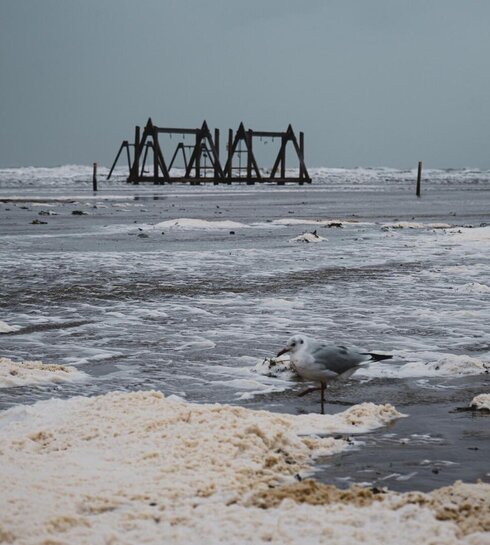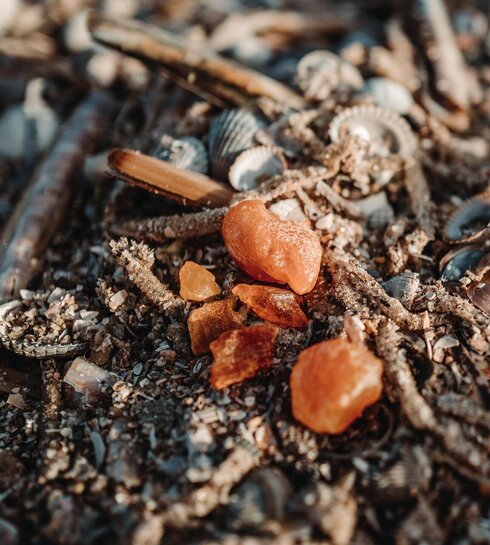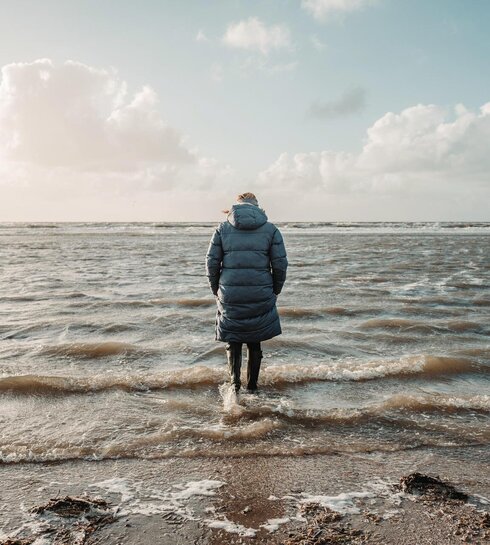

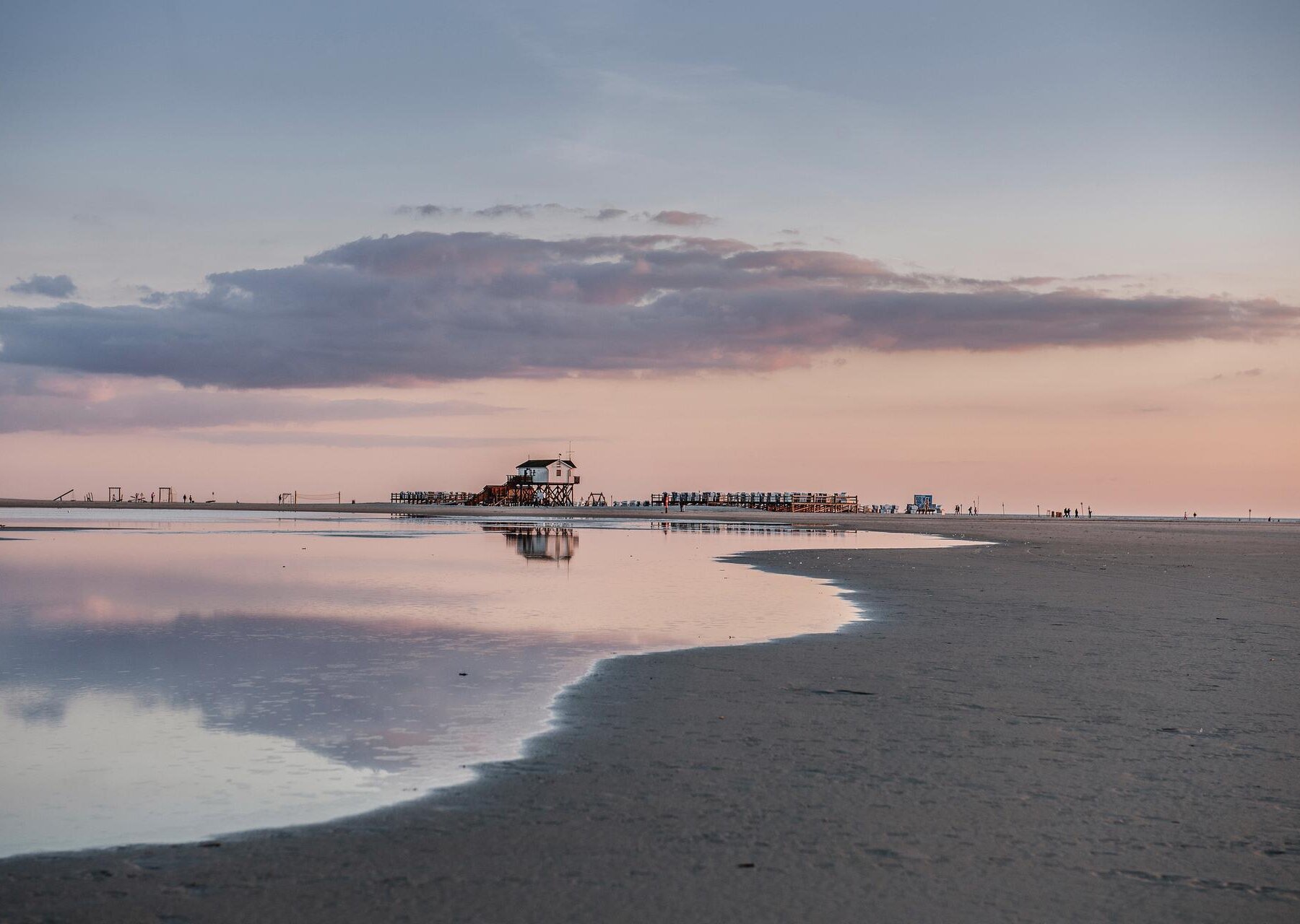
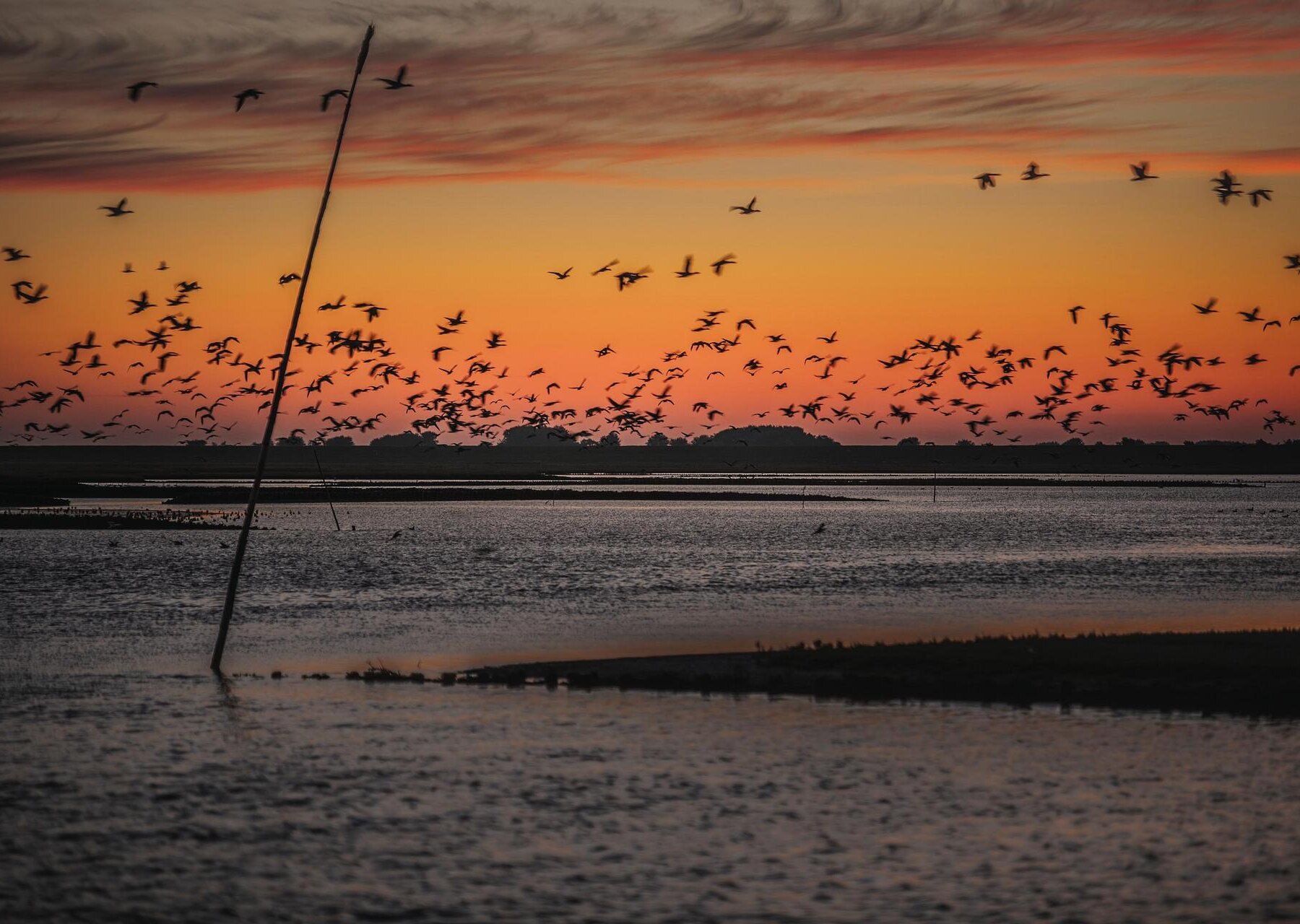


Vast mudflats and stretches of ocean, tidal creeks and sandbanks, salt marshes, and dunes constantly shaped by the tides characterize this dynamic landscape. Around 10,000 animal and plant species call the Wadden Sea home, and every year, some ten million migratory birds stop to rest at the Wadden Sea’s bountiful table.
Through blooming salt marshes, fine sand, and green forests
Here on the Eiderstedt Peninsula, you can feel the salty air in every pore, let the North Sea breeze blow around your nose, and enjoy nature to the fullest—and in St. Peter-Ording, you can do all of this in three different climate zones.
However, these climate zones all have one thing in common: the prevailing, healthy, invigorating climate has a soothing effect on chronic conditions such as respiratory ailments, rheumatic diseases, or circulatory problems.
Whether you’re taking a long walk through salt marshes, across dikes, and along the beach; enjoying a dip in the forest; or exploring nature trails and outdoor adventure areas—in Eiderstedt, you’re right in the heart of nature.
The Three Climate Zones in St. Peter-Ording
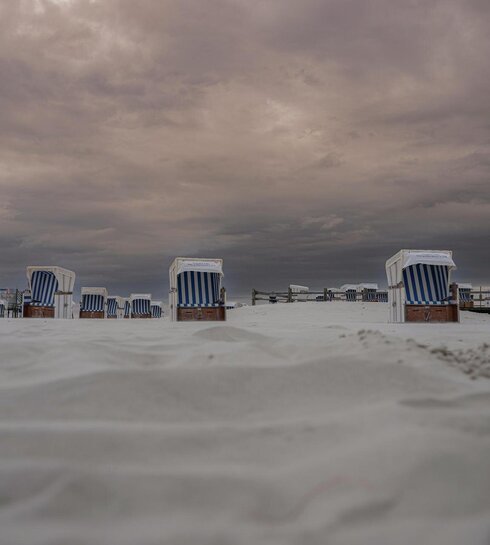
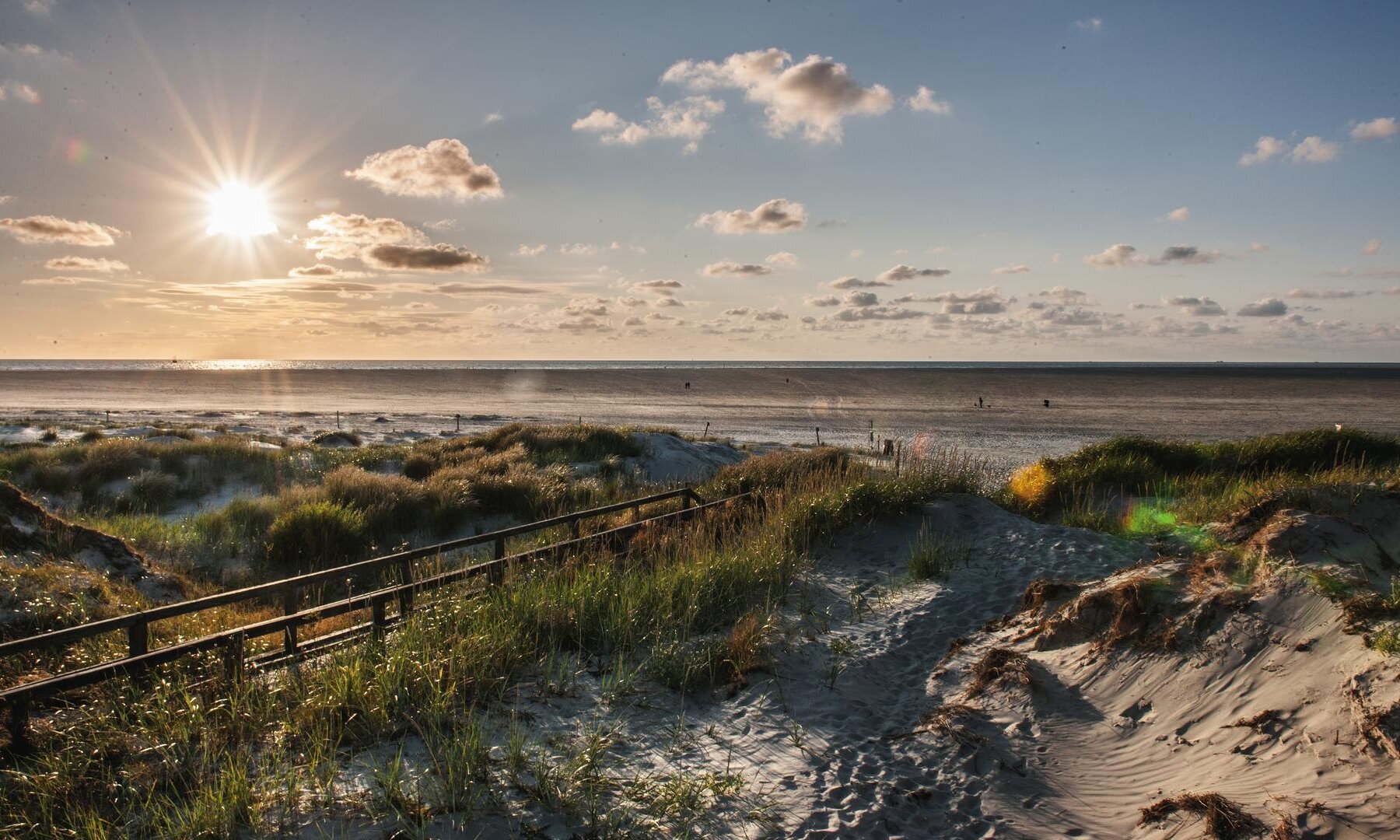
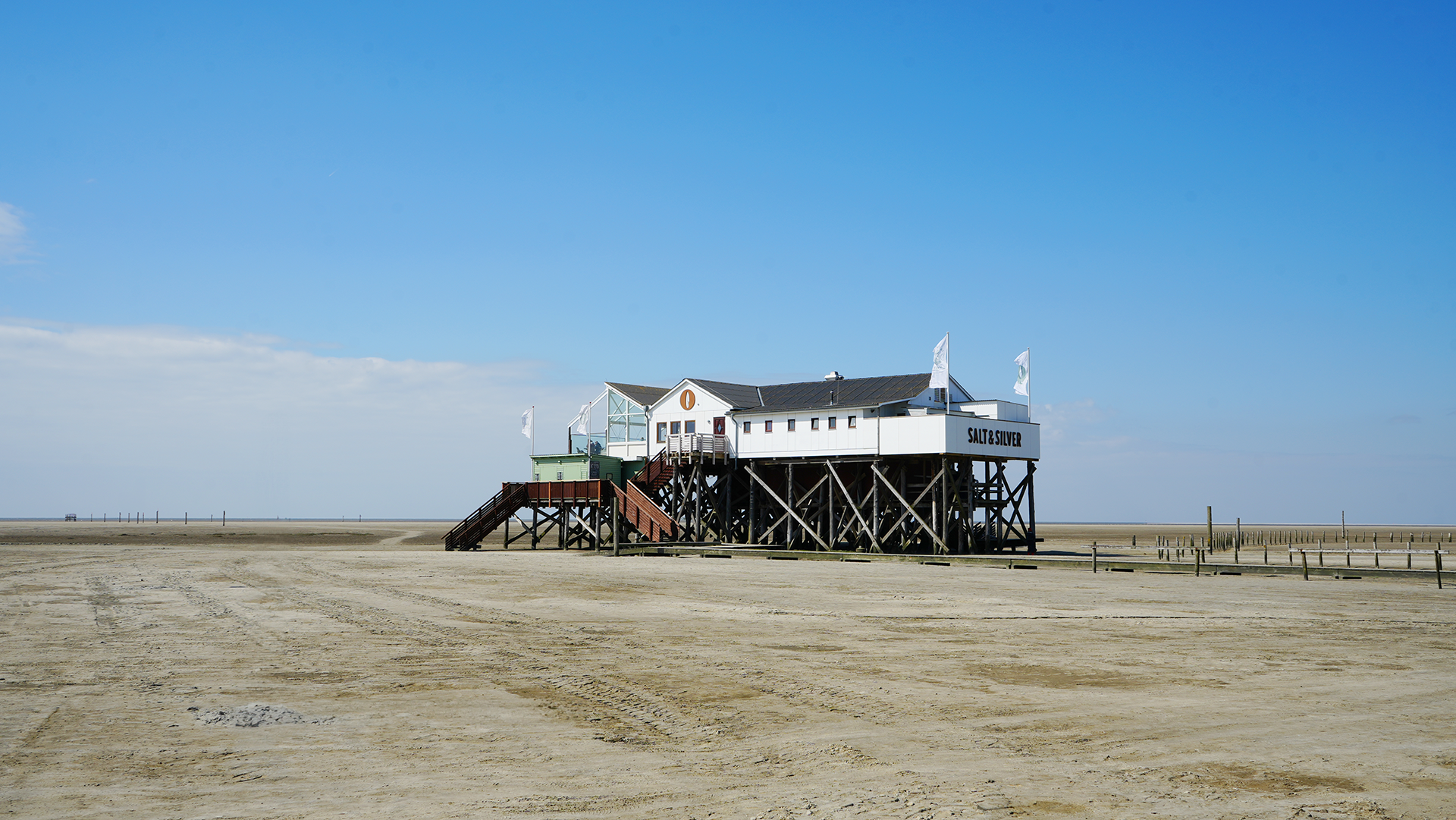
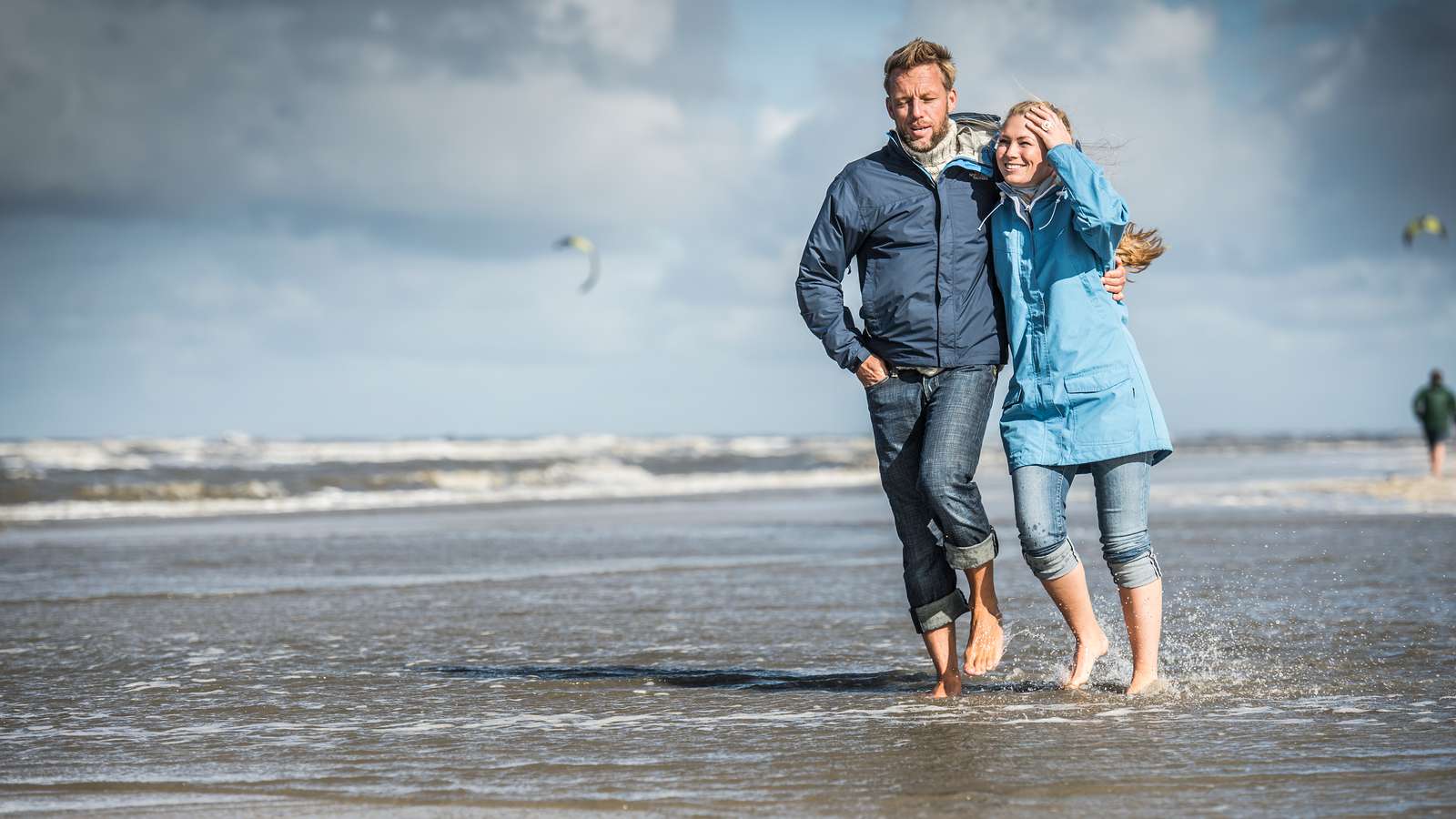
Right on the water’s edge and on the expansive beach of St. Peter-Ording—here, the pure North Sea air has a particularly intense and healing effect on your respiratory system, alleviating respiratory ailments and circulatory problems and strengthening the immune system.
This effect is due to the high concentration of aerosols sprayed into the air by the wind and waves.
© Oliver Franke
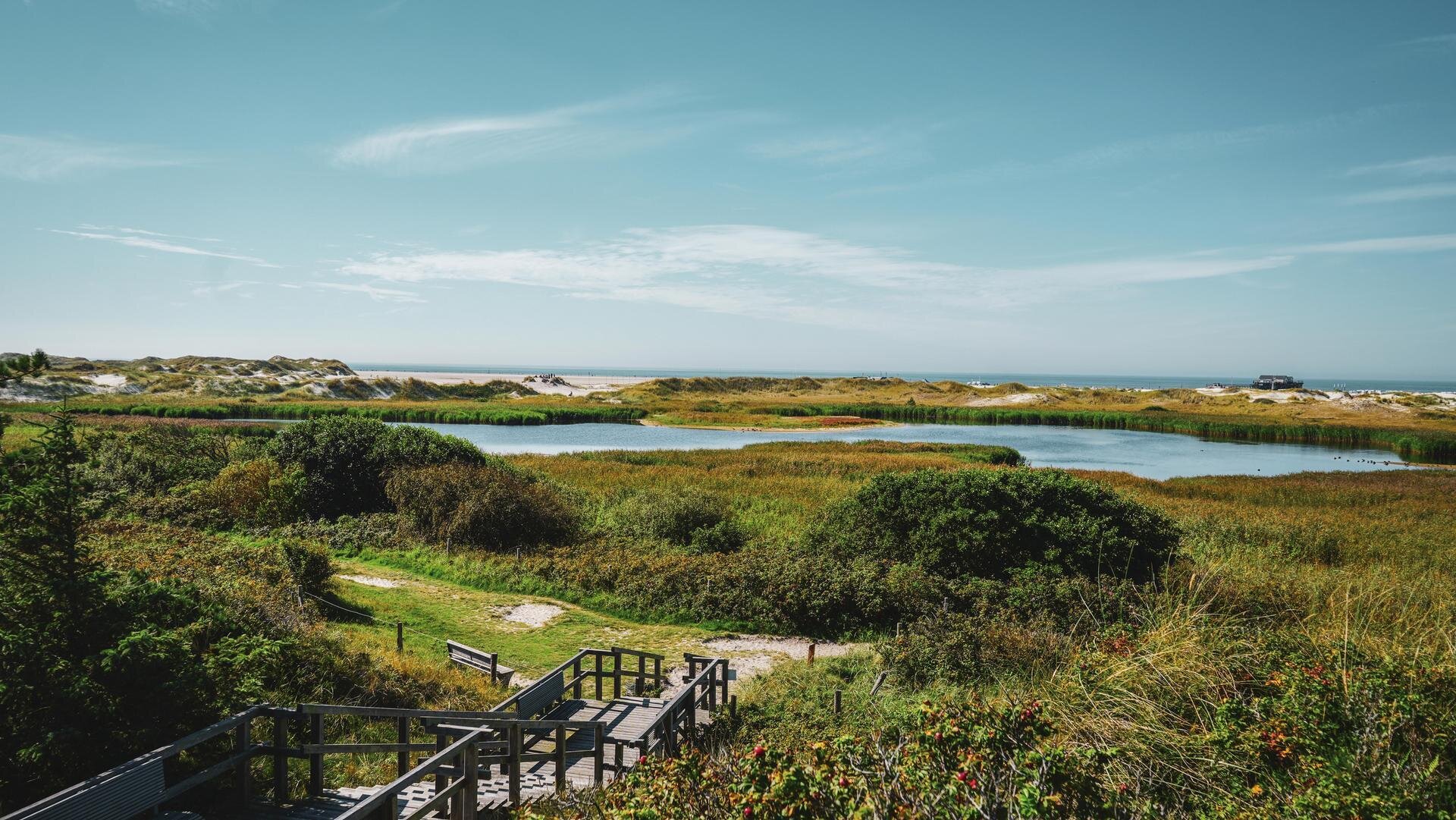
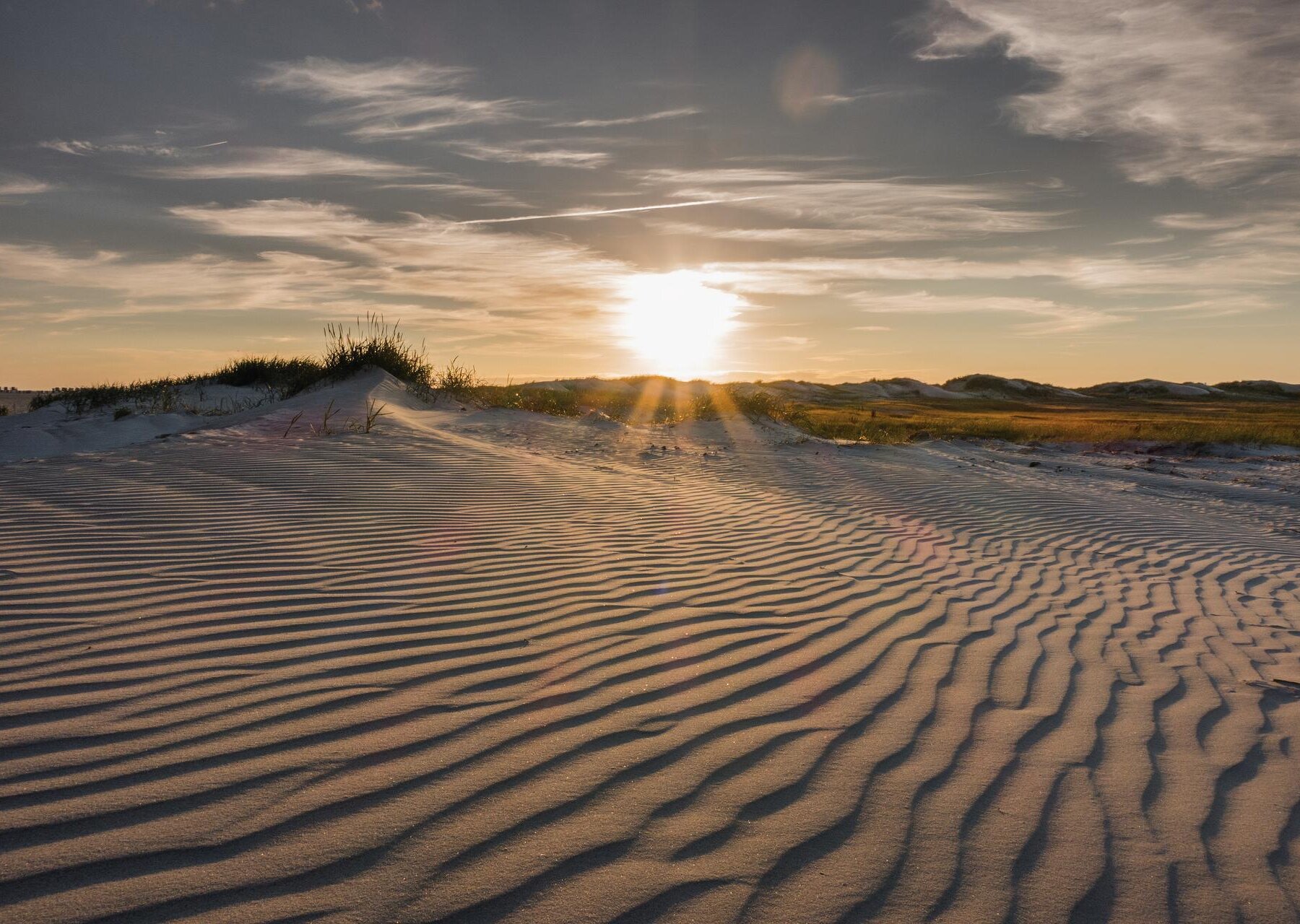
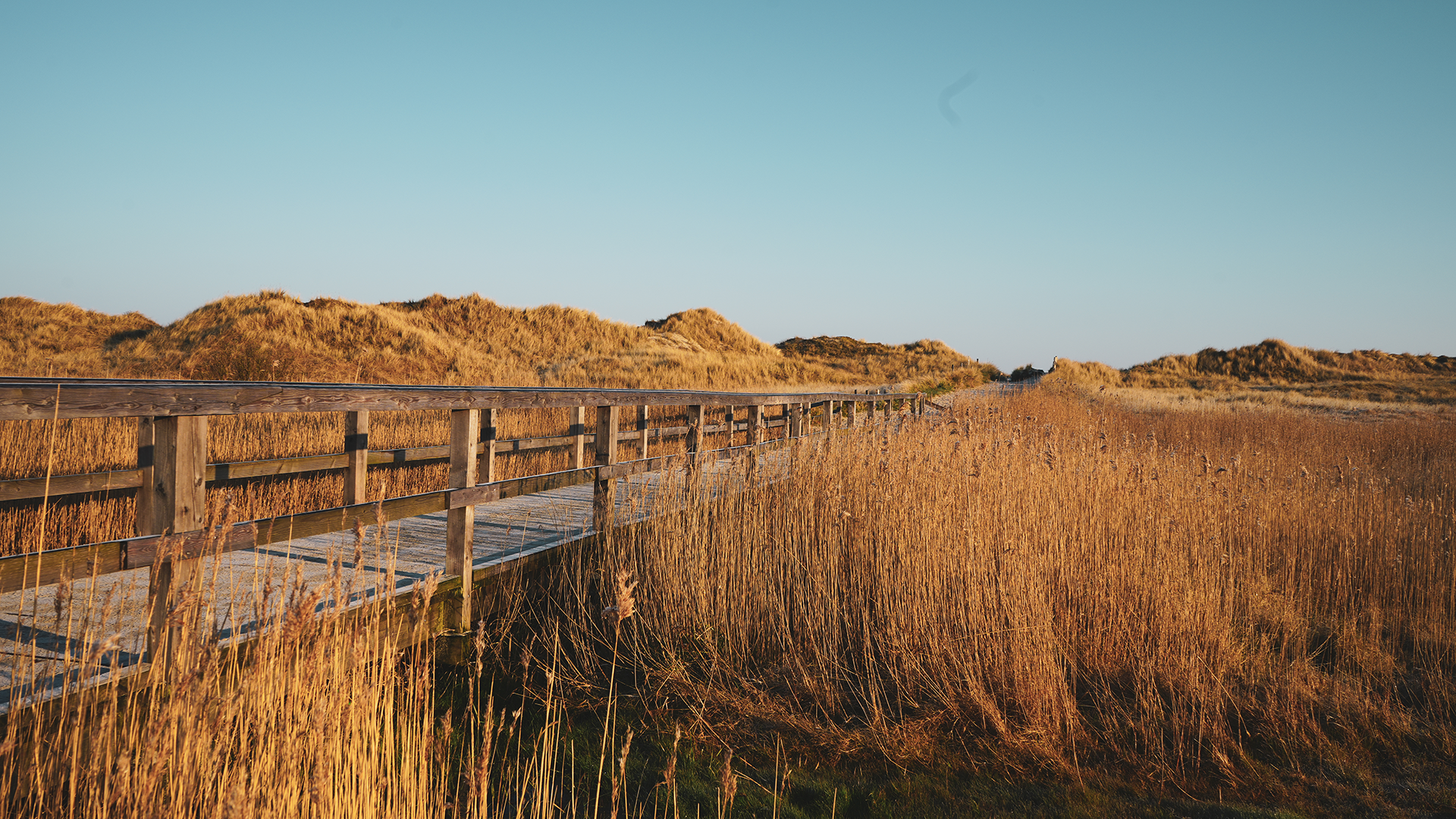
North Sea winds that shape the dune landscape of St. Peter-Ording, and North Sea waves that regularly flood the salt marshes. A walk through the dunes and meadows soothes both body and mind. Salty sea air, medicinal plants, and pleasant sunshine boost your body’s defenses, strengthen your immune system, and lift your spirits.
Despite the proximity to the North Sea surf, the stimulating climate here already feels milder, though the UV radiation remains just as intense.
© TZ-SPO
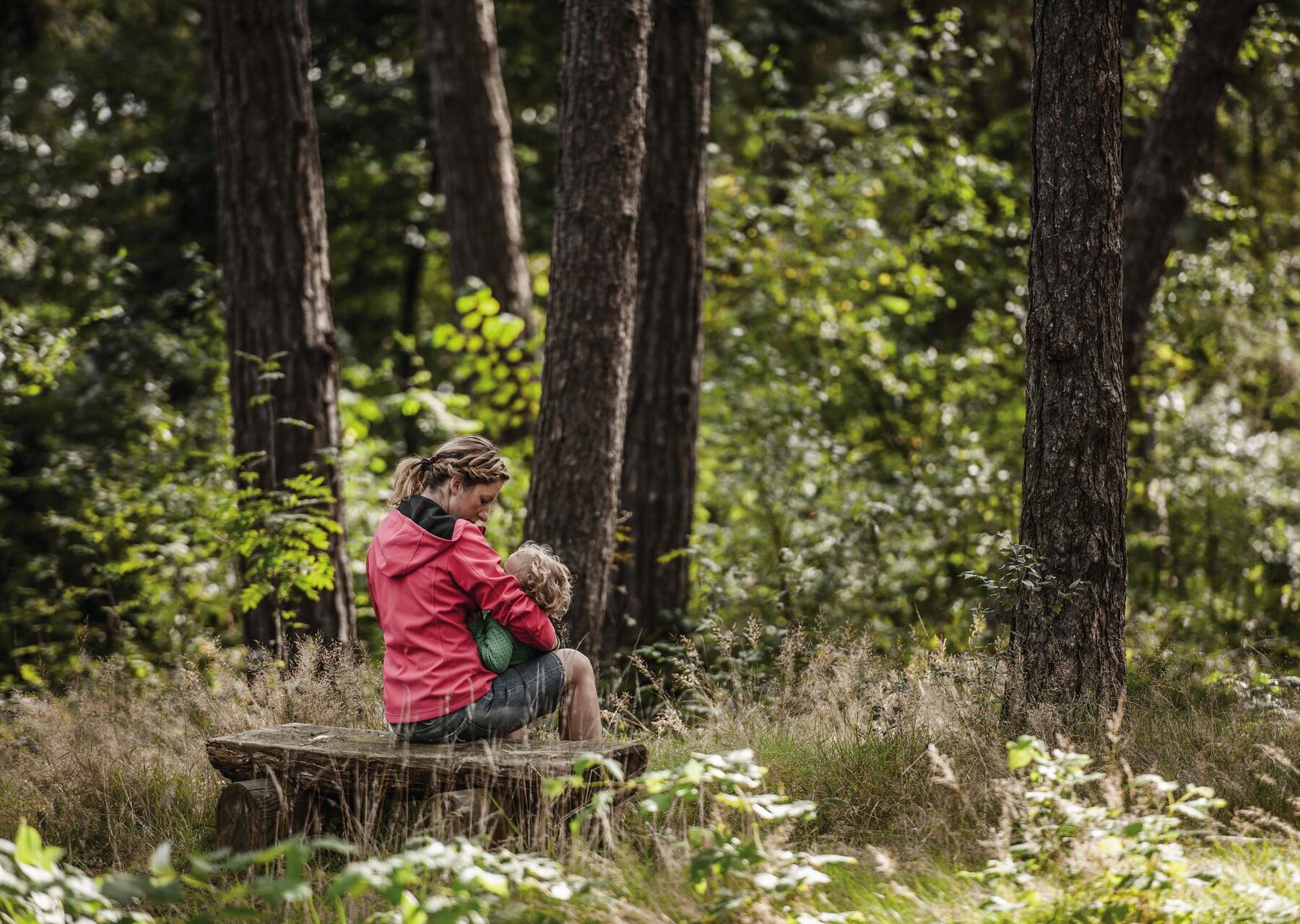
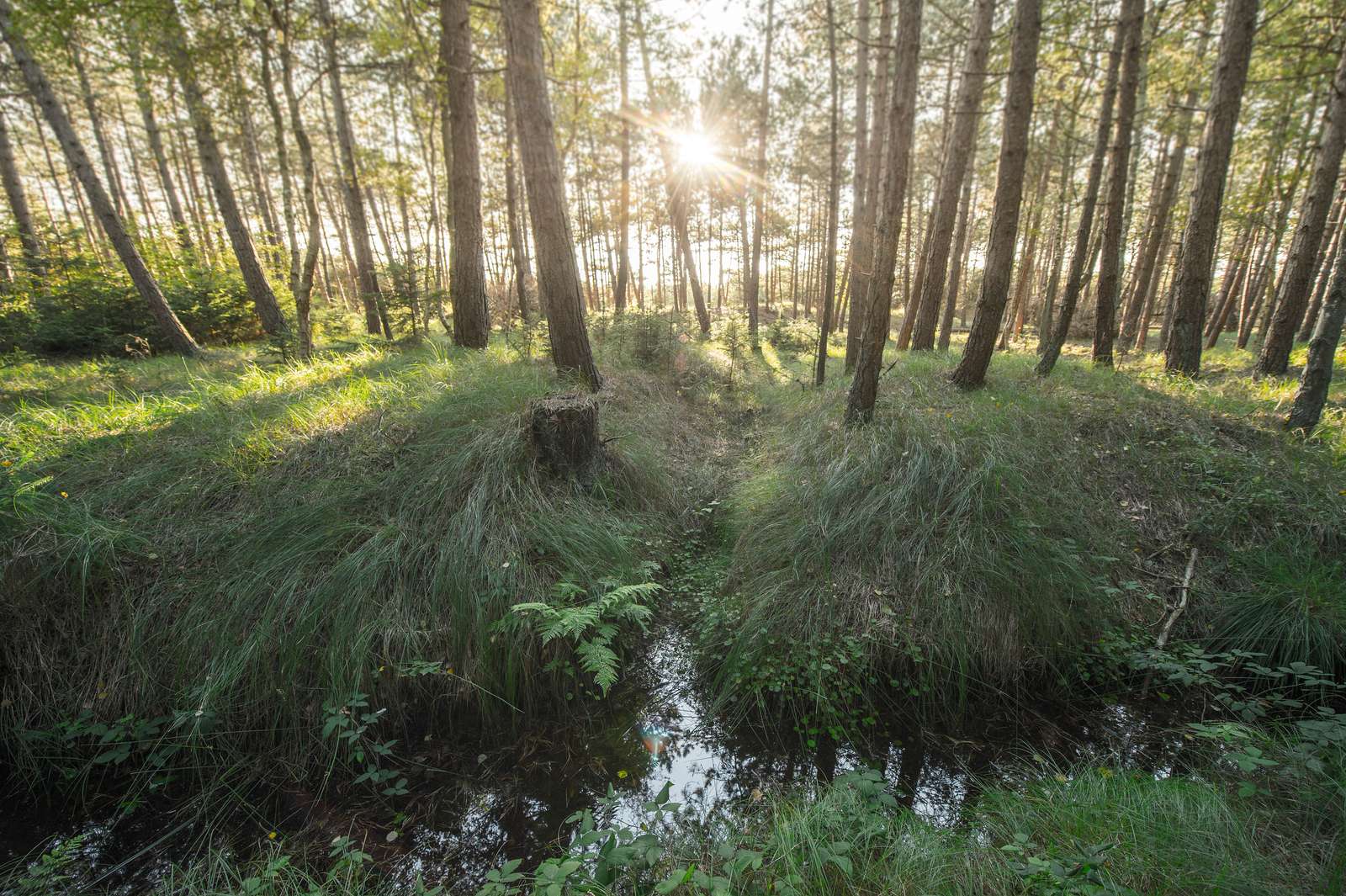
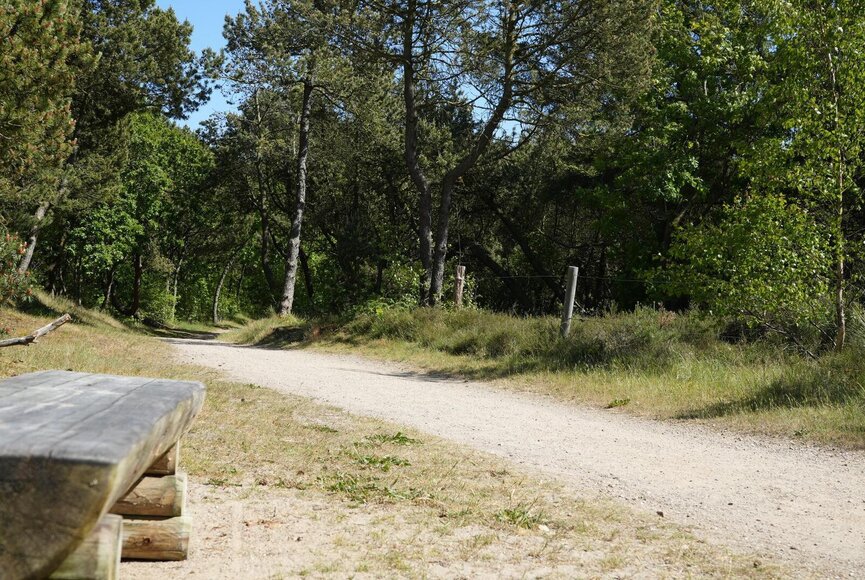
In the past, dune grass was primarily planted here to stop the heavy sand drift in St. Peter-Ording. Today, the tall, wind-sculpted pine trees are particularly striking. Sunbeams filtering through the pine needles and the abundance of minerals in the air promote your well-being and are good for both body and soul.
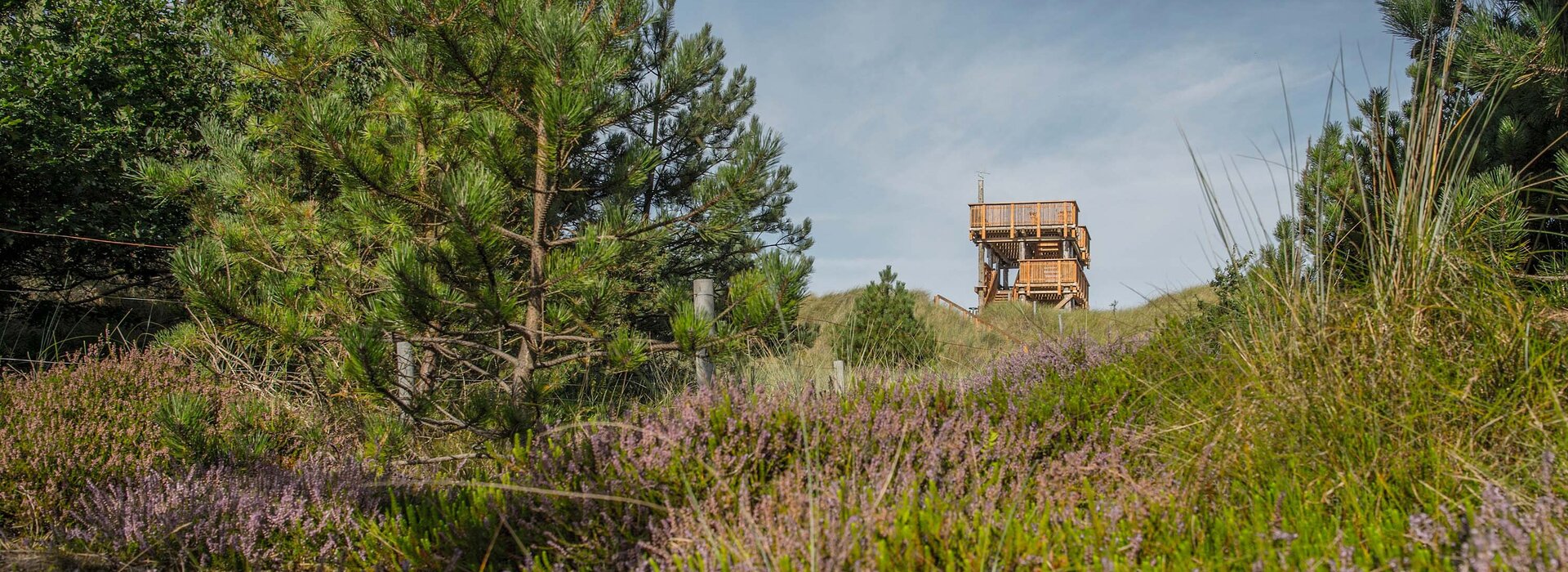
How about a long walk in the woods? Whether through the greenery on the way to the Böhler Lighthouse, the Ponderosa playground nestled among the pines in the local district "Ording" or to the Maleens Knoll observation deck in Bad—a walk through the forests of St. Peter-Ording will recharge your batteries while bringing you close to nature.
© Oliver Franke
Salt marshes
Between the Dike and the Mudflats
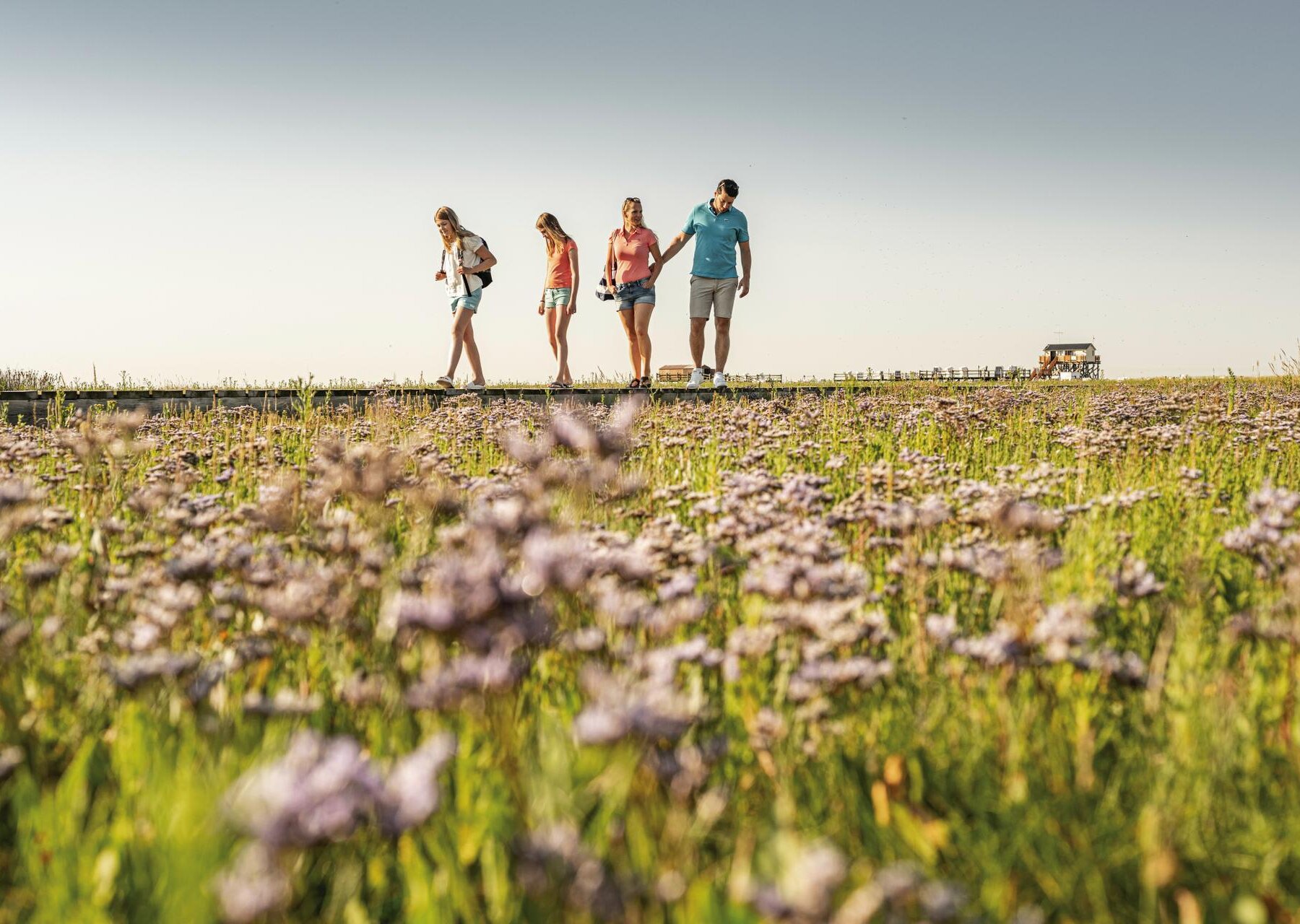
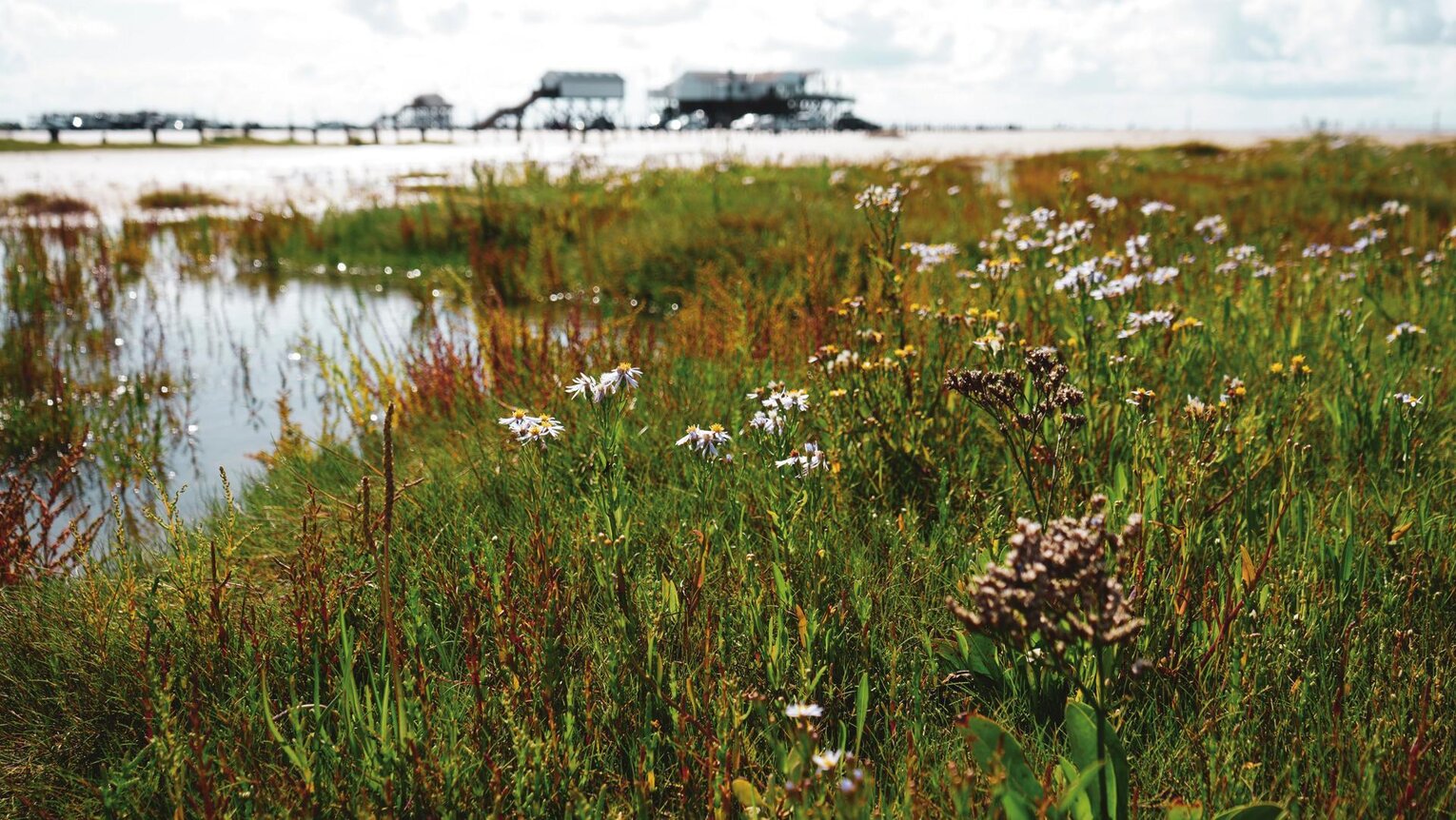
The Wadden Sea National Park is home to Europe’s largest contiguous salt marsh area, and it’s a truly special corner of the world. For it is neither sea nor land; it sometimes blooms in delicate purple, sometimes in rich green, and is regularly flooded by the salty North Sea. The salt marshes of St. Peter-Ording—which we North Frisians also call “Vorland”—are formed by the tides of the North Sea. These tides carry small suspended particles into the mudflats, which over time form a layer of silt. Here, the first, particularly hardy plants—such as glasswort—gradually begin to grow. Over time, ever-higher deposits build up toward the dike, on which additional plants then take root. And these plants are true masters of adaptation! They can withstand flooding and drying out, saltwater and rain showers, and survive both winter frost and summer heat.
© TZ-SPO
1
Priel
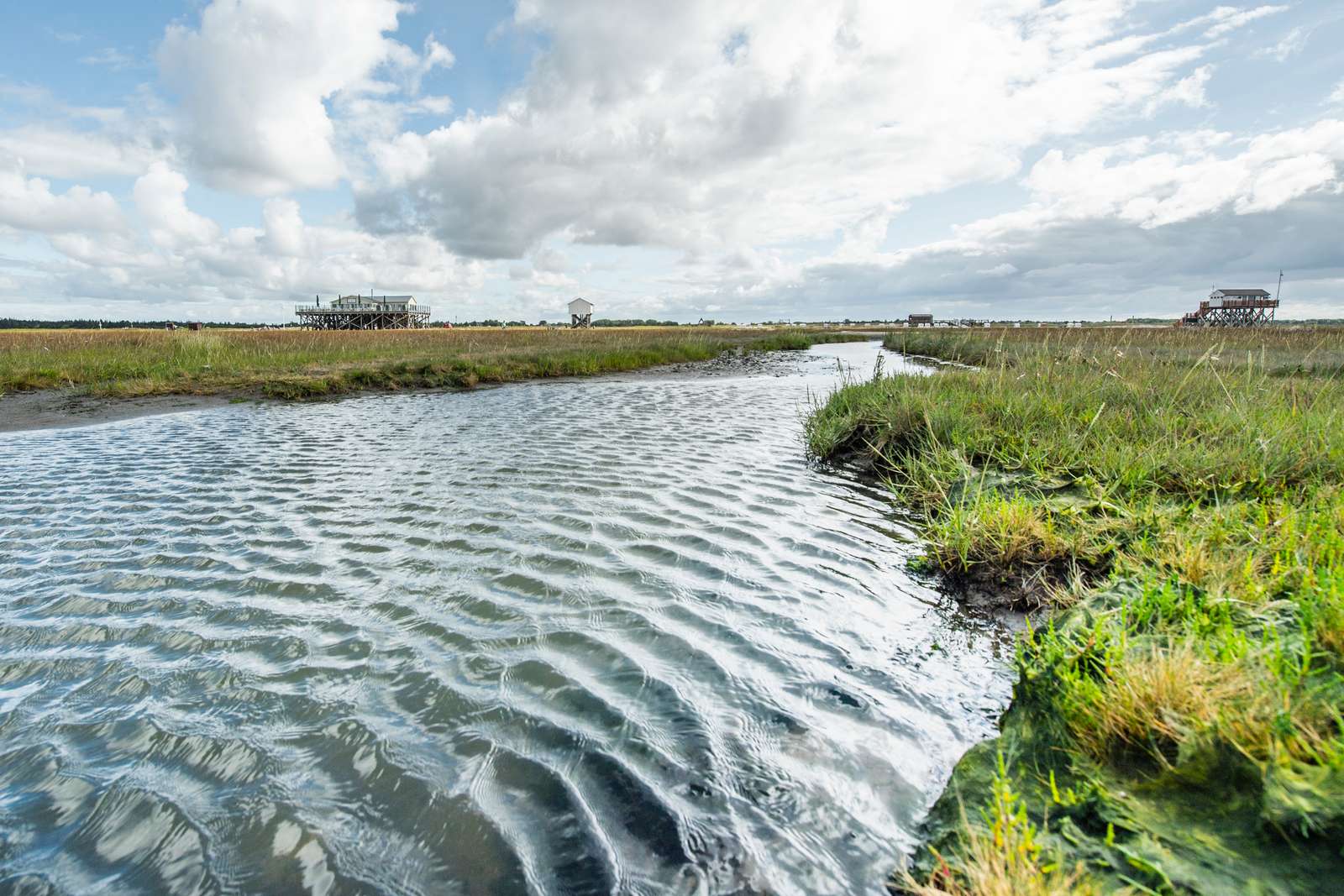
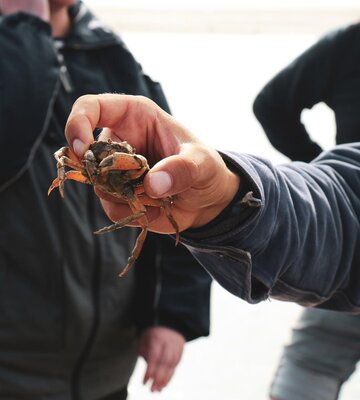
The large “puddles” in the mudflats, which remain filled with North Sea water even at low tide and extend into the salt marshes—we call them “priele.” Even at low tide, they supply the flora and fauna with salty seawater and are home to small fish and crabs.
2
Samphire
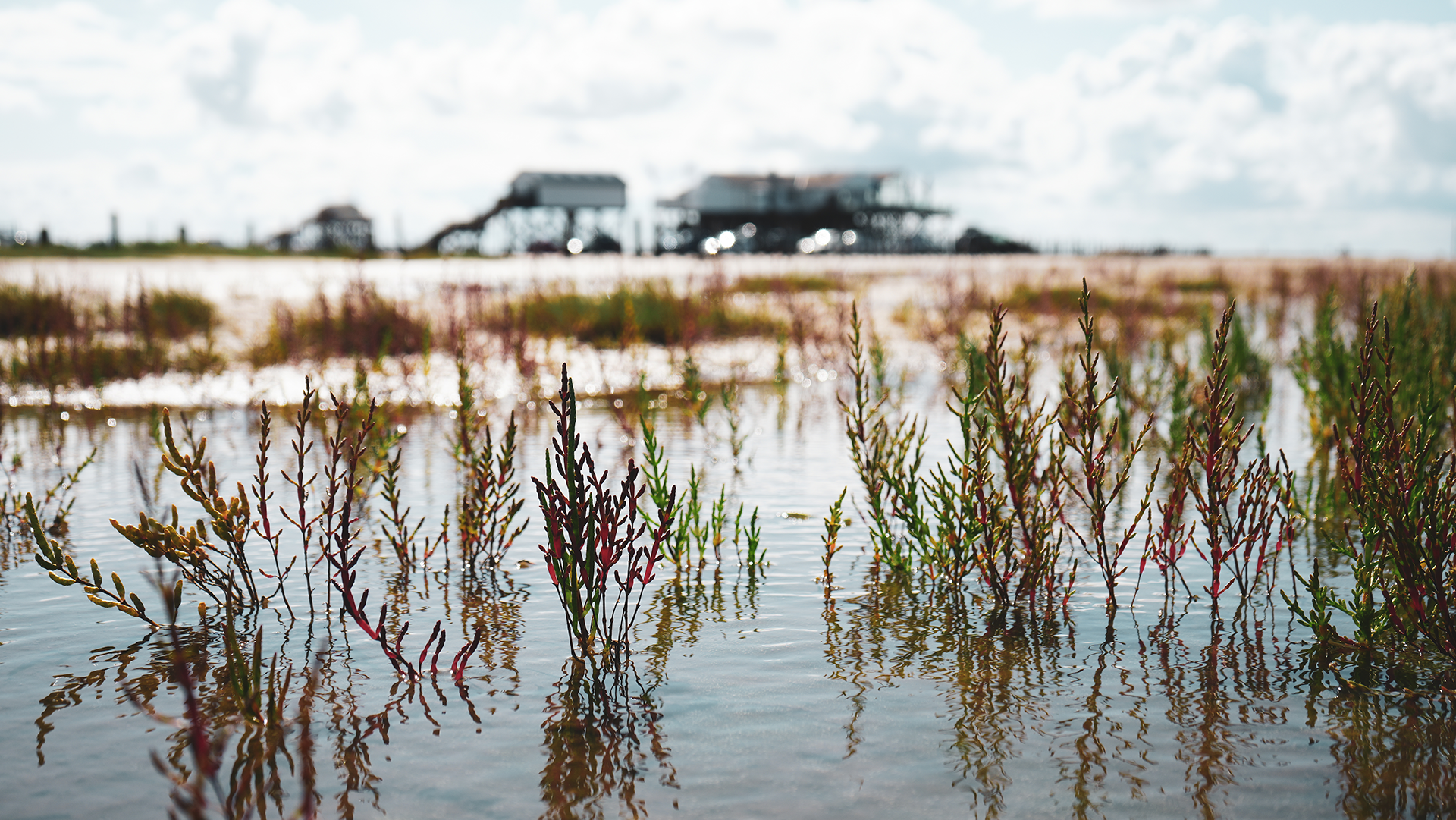
It's the only plant that needs salt to survive. And did you know? You can even eat samphire—it tastes especially good on a fish sandwich.
3
Beach Aster
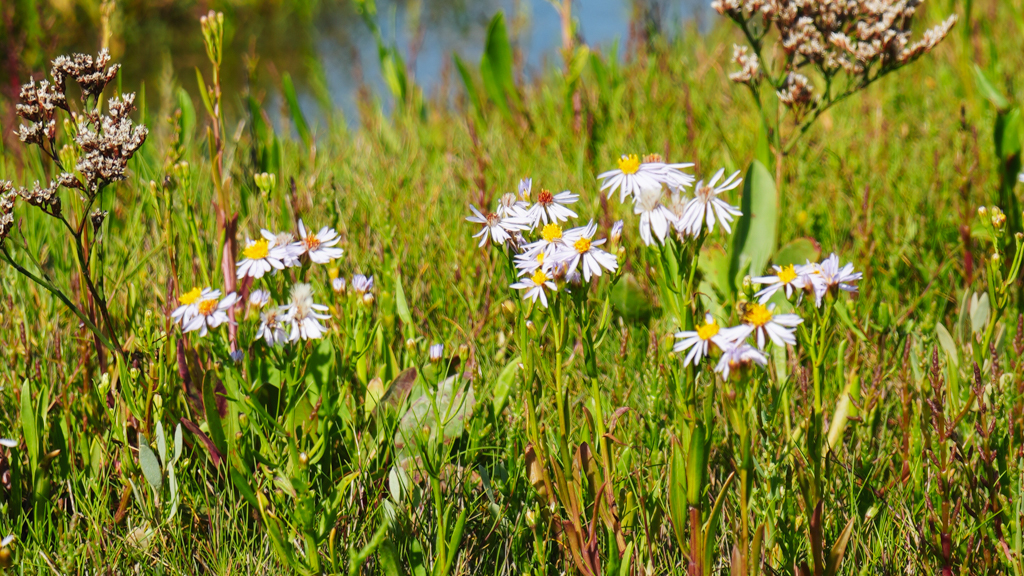
Truly adaptable—it transports salt from the soil into its oldest leaves and then sheds them.
4
Beach Lilac
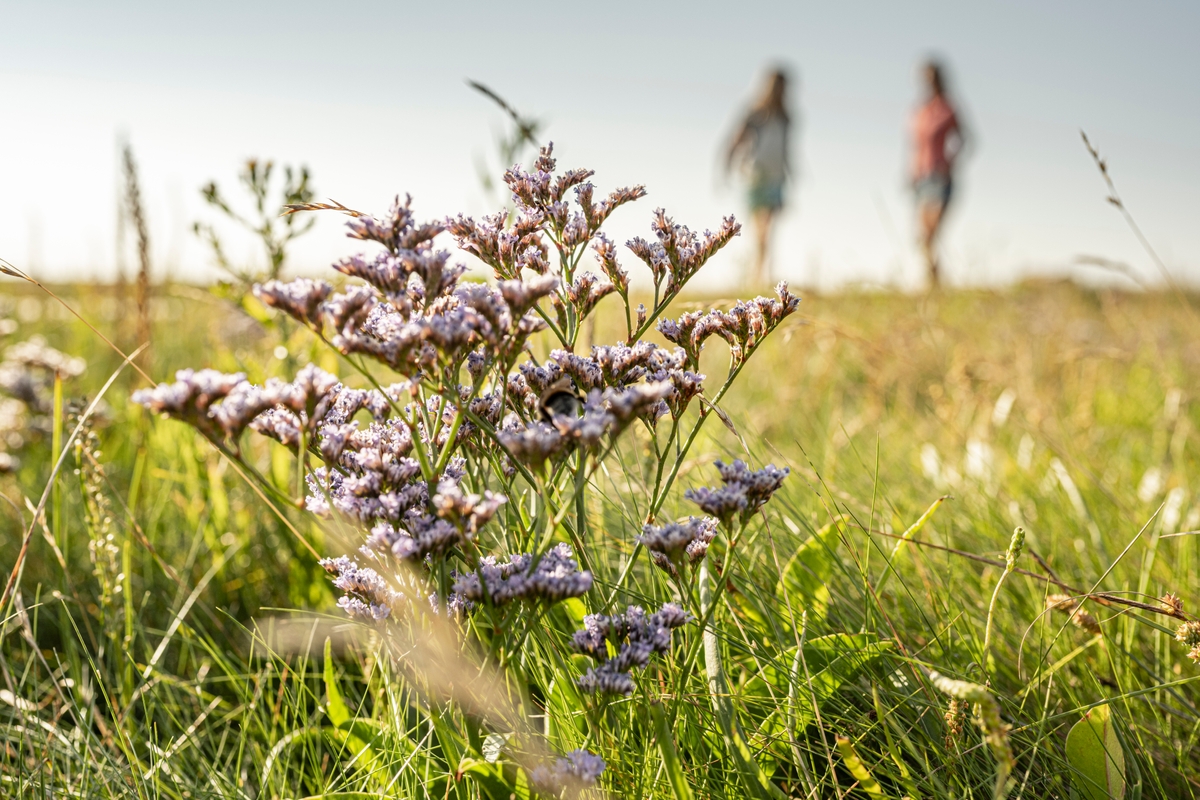
It blooms in July and August, turning the salt marshes purple. The meadow landscape makes for a particularly beautiful photo opportunity during this time.
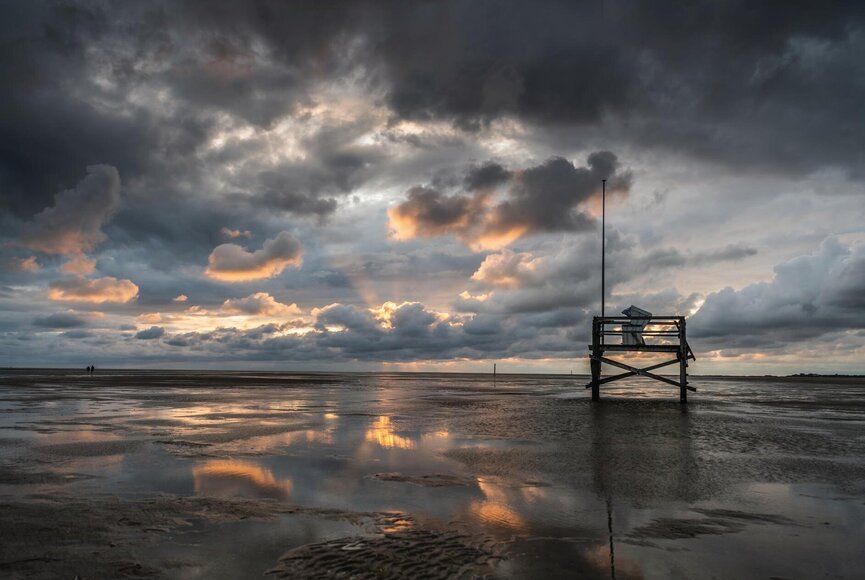
© Oliver Franke
National Park & World Natural Heritage Site
The Wadden Sea
© Oliver Franke
© Alina Claußen/LKN.SH
© Alina Claußen/LKN.SH
Experience & Protect Nature
Nature Experience Area in SPO
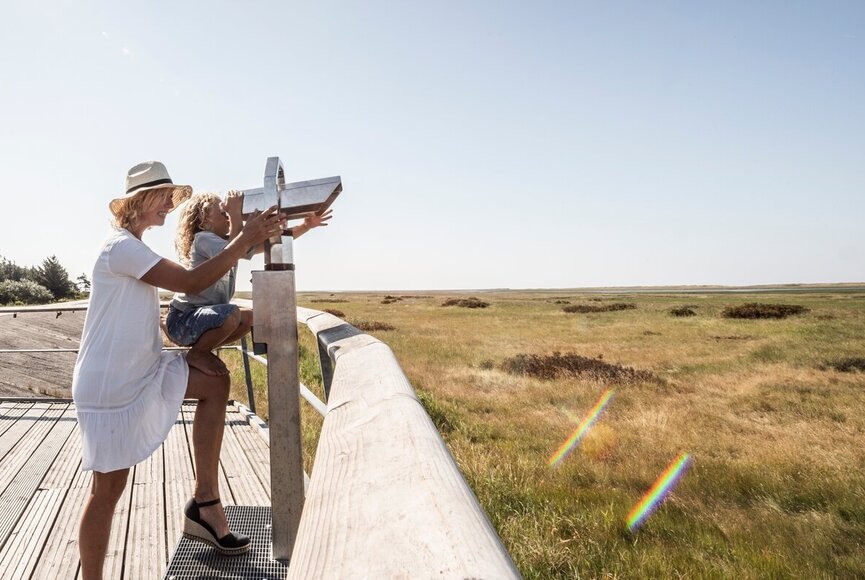
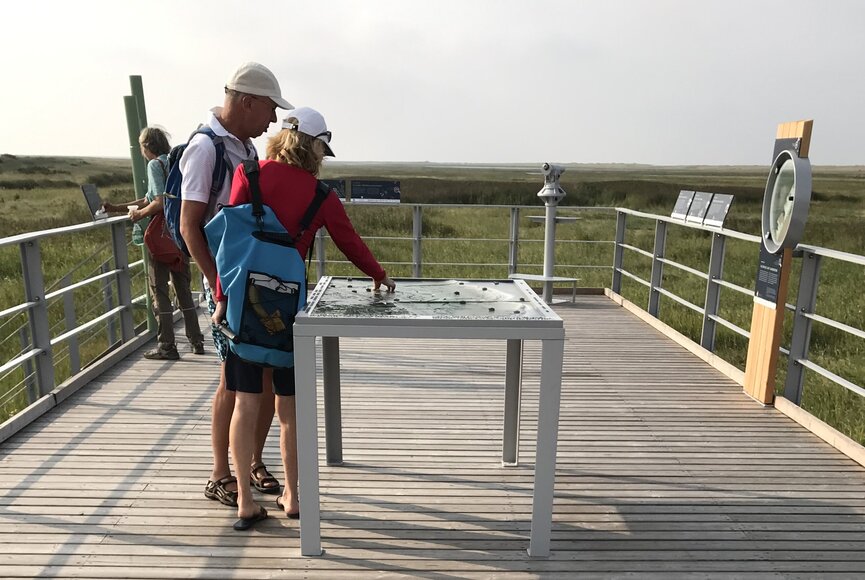
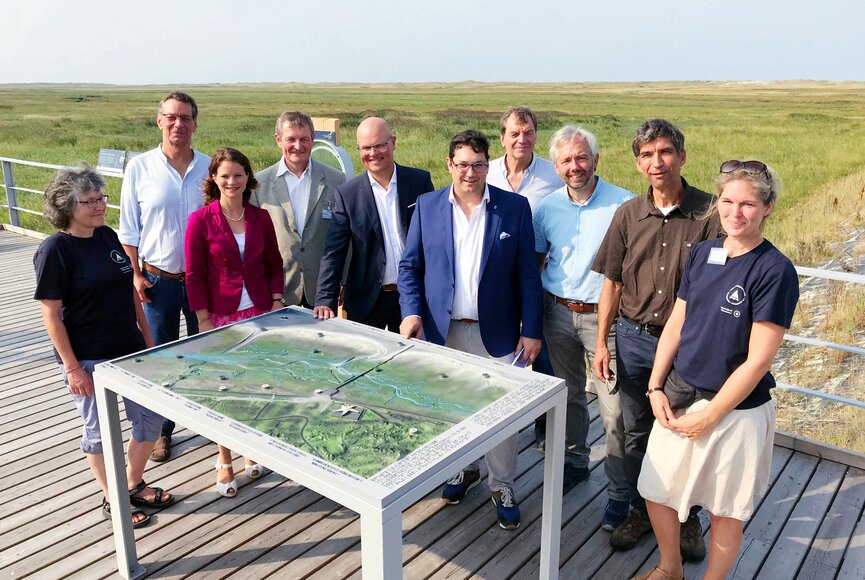
Would you like to experience the national park up close with your family, engaging all your senses, and learn more about the Wadden Sea? Then head to the Wadden Sea World Heritage Site Nature Experience Center! Here, in front of the dike south of the pier, you can immerse yourself in the salt marsh habitat as you pad along the barefoot trail or use binoculars to observe the feathered inhabitants of the salt marshes.
Hot tip: It’s best not to tuck your cell phone too deep into your pants pocket. That’s because the QR codes shown there will take you to additional digital information about the Wadden Sea and salt marshes.
Experience Nature Up Close
Tips
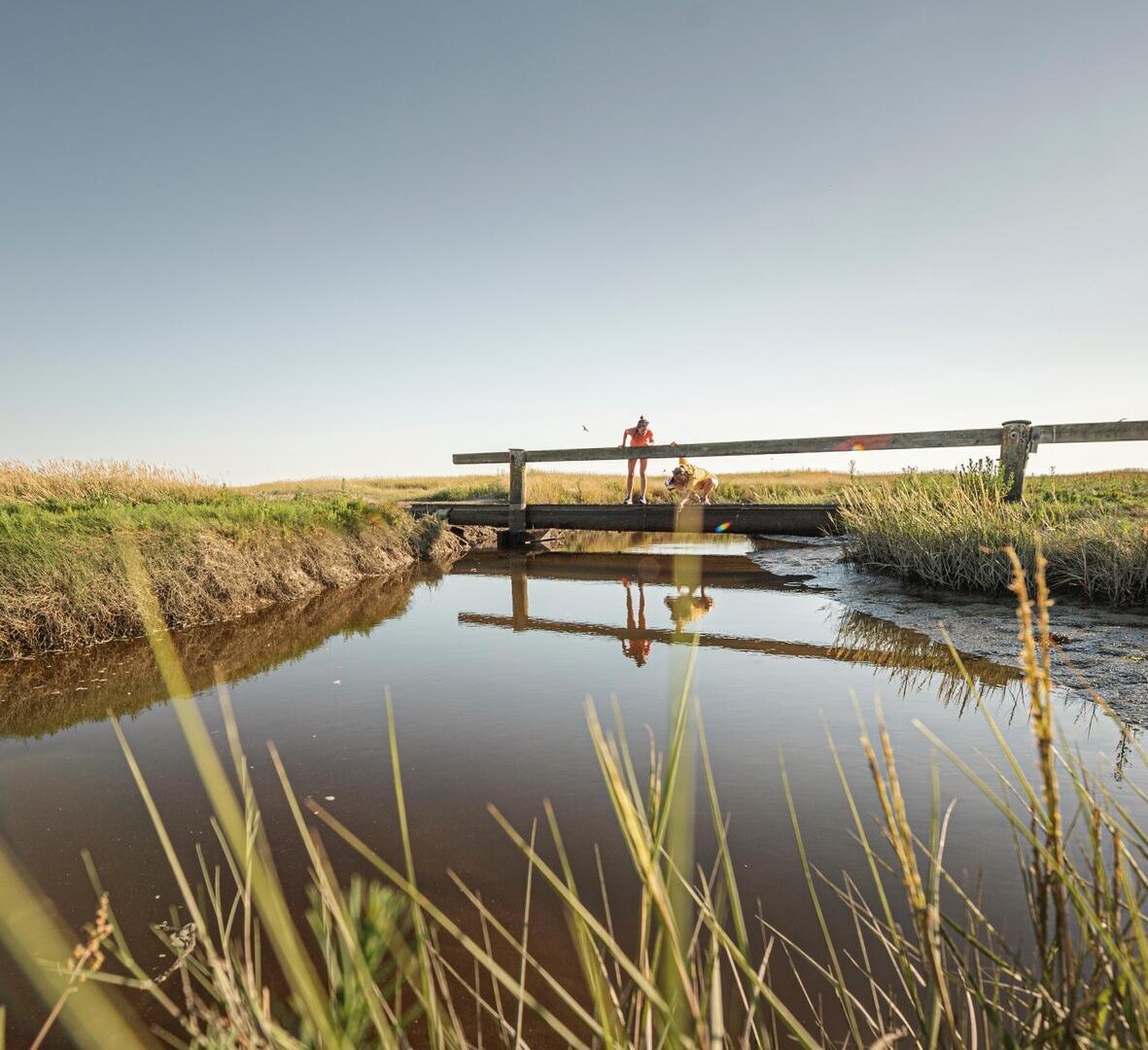
Nature Exploration Days
© Oliver Franke
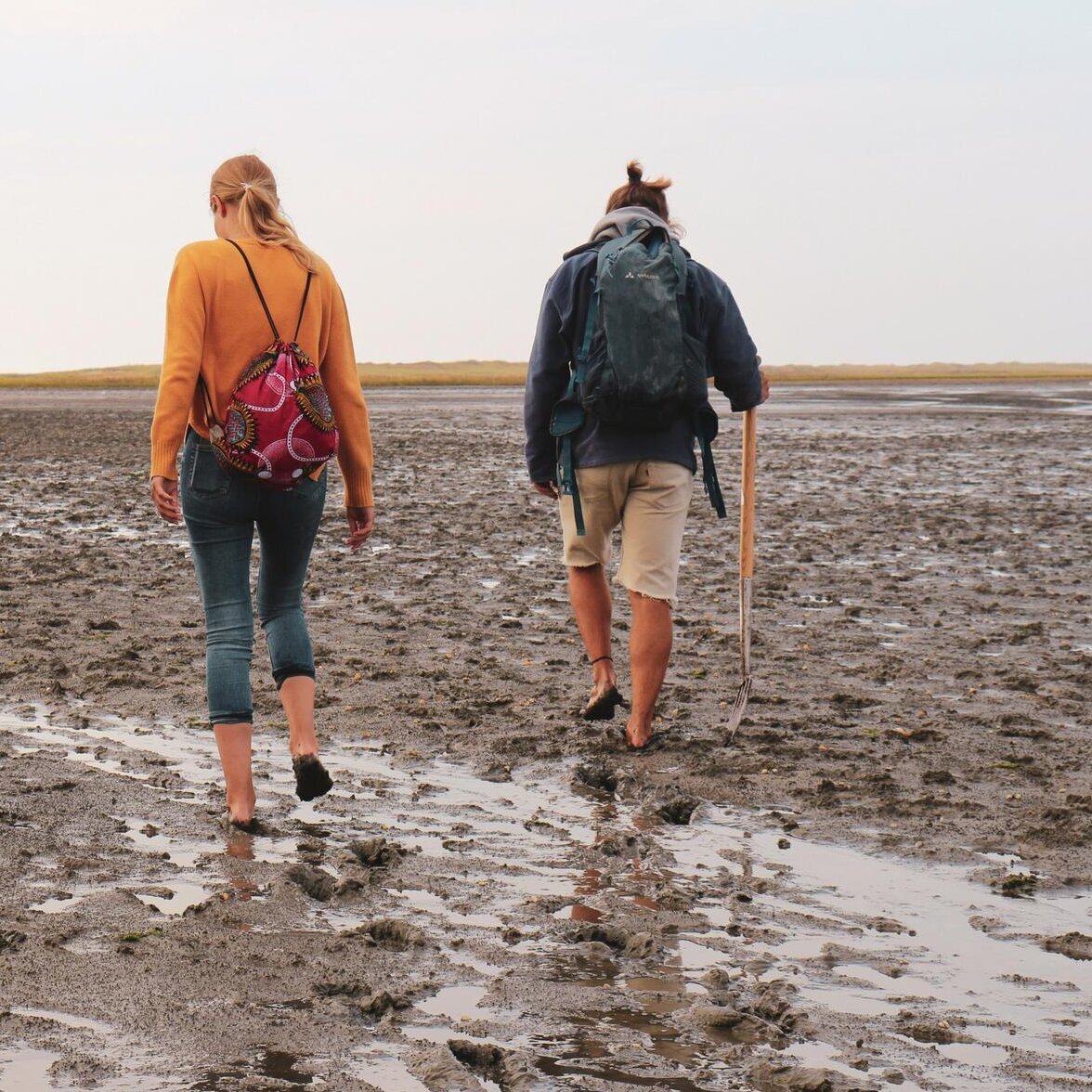
Wadden Sea Hiking
© TZ-SPO
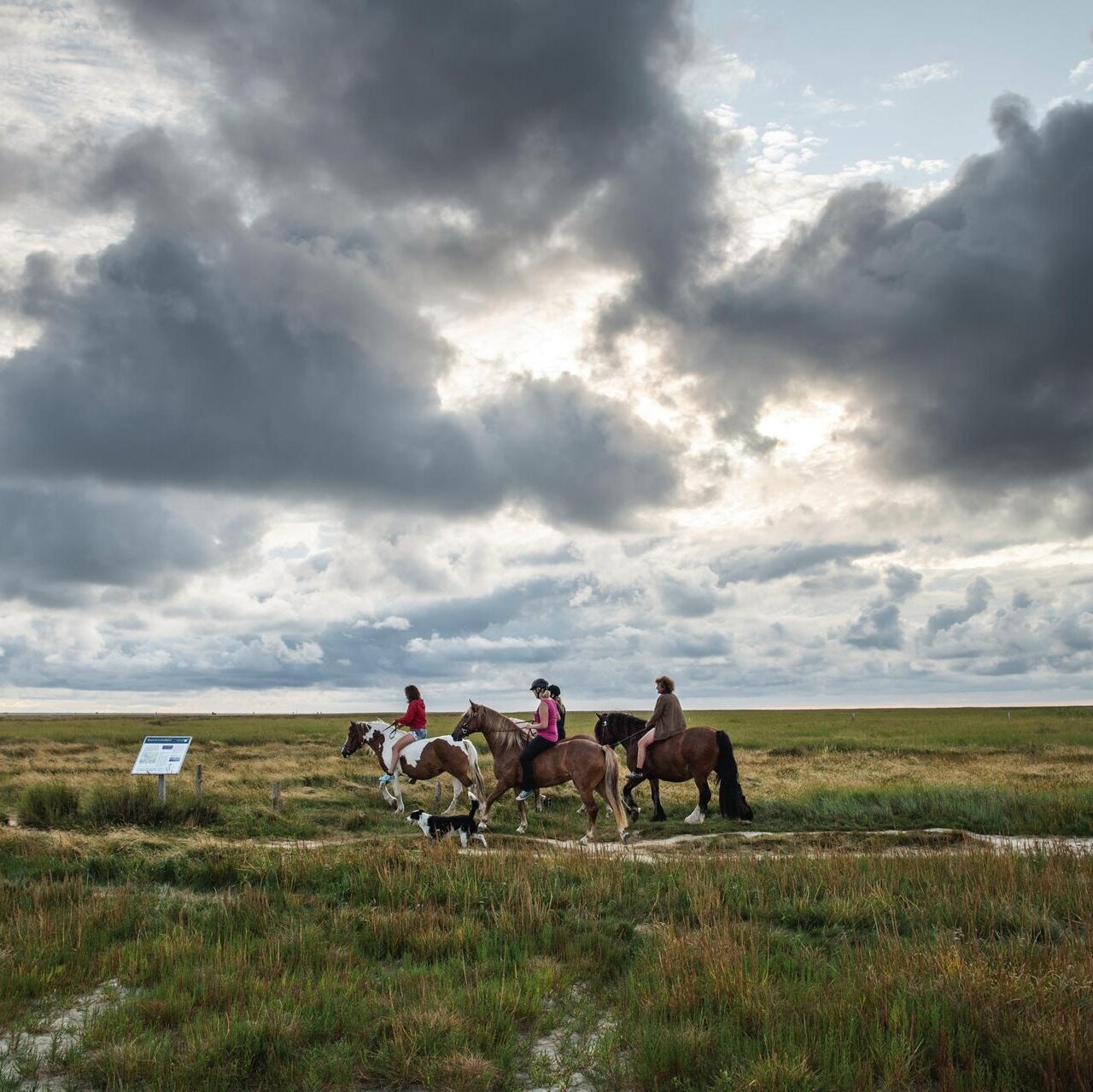
Horseback Riding on the Beach
© Oliver Franke
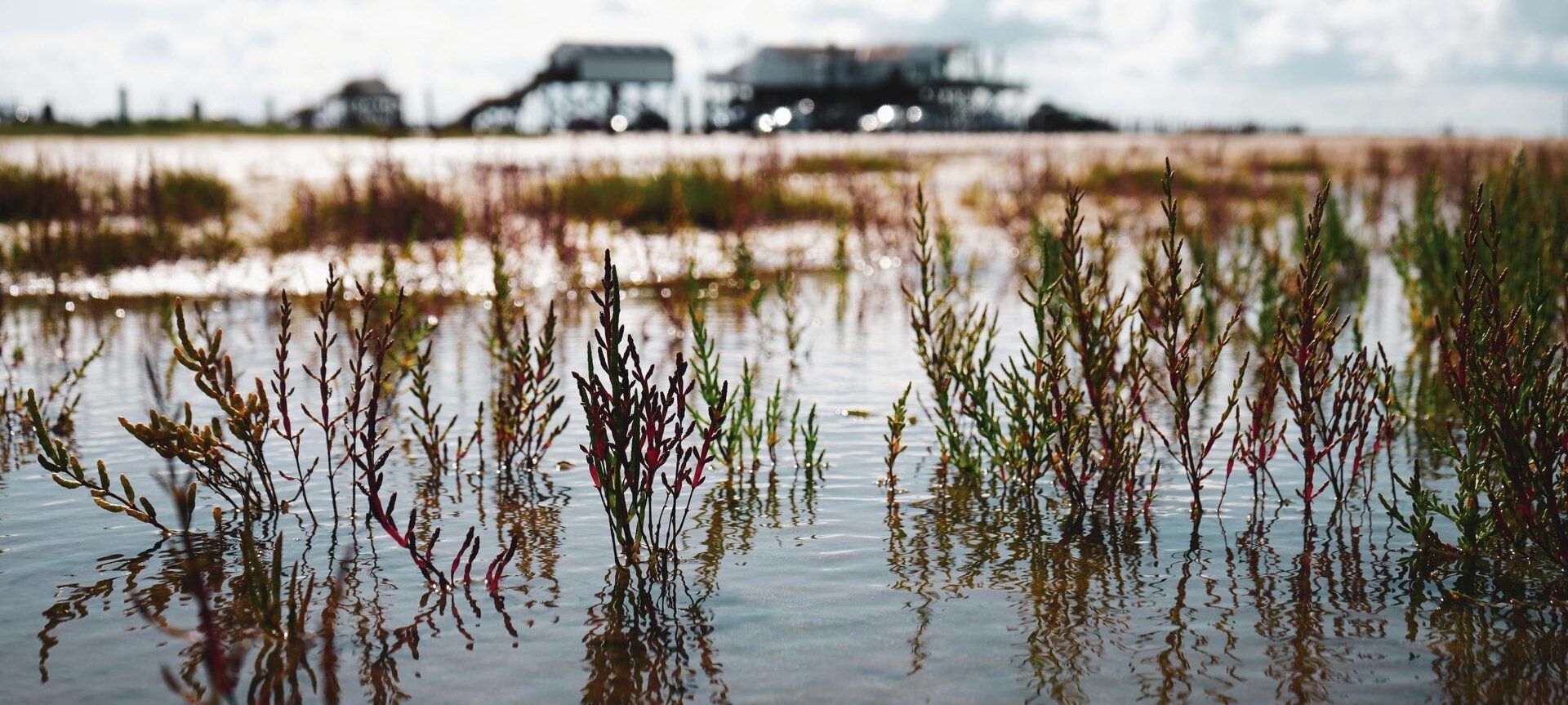
Attend a nature event
© TZ-SPO
© TZ SPO
Forests, Heaths, and Dunes
Warning: Risk of wildfires in the summer!
Our local forest ranger points out that, due to the dry conditions in St. Peter-Ording, there is a high risk of forest fires this summer. Therefore, the following rules apply: Smoking and barbecuing are strictly prohibited in and in the immediate vicinity of forests, dunes, and heathland!
And please note: Violations can result in fines of up to 50,000 euros.
Natural Features of Eiderstedt
Uniquely beautiful
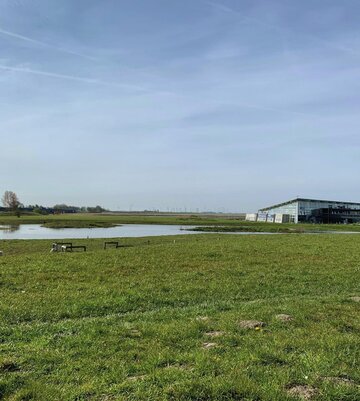
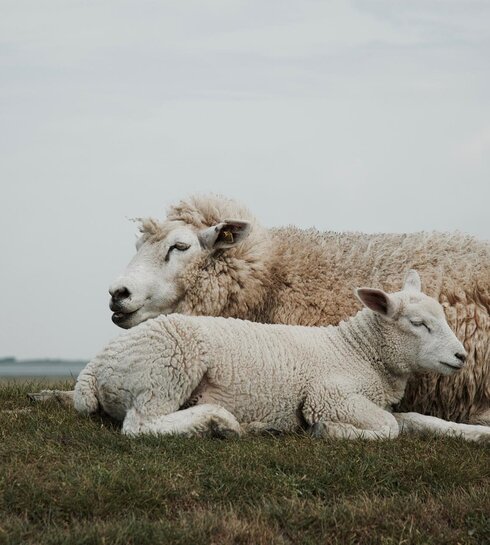
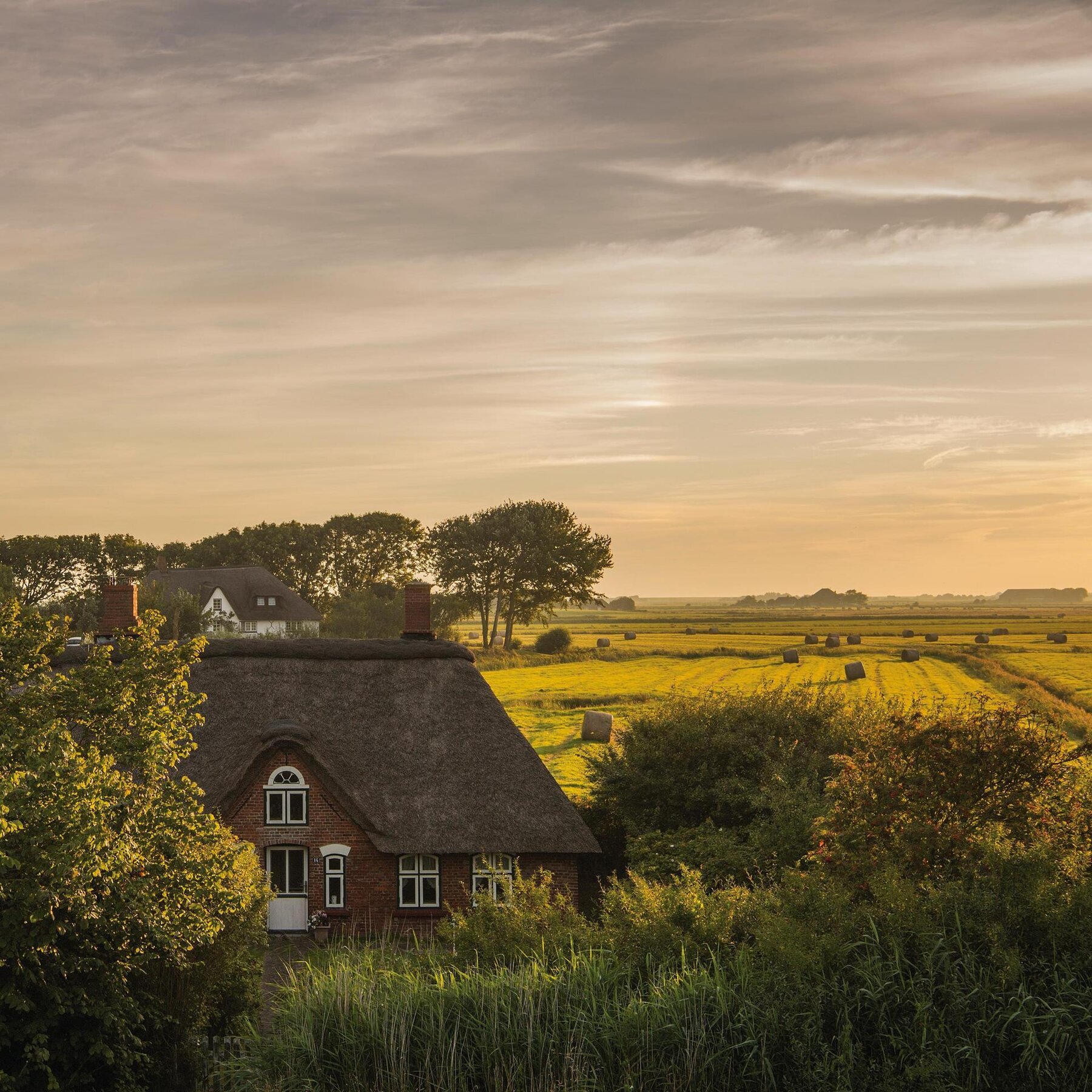
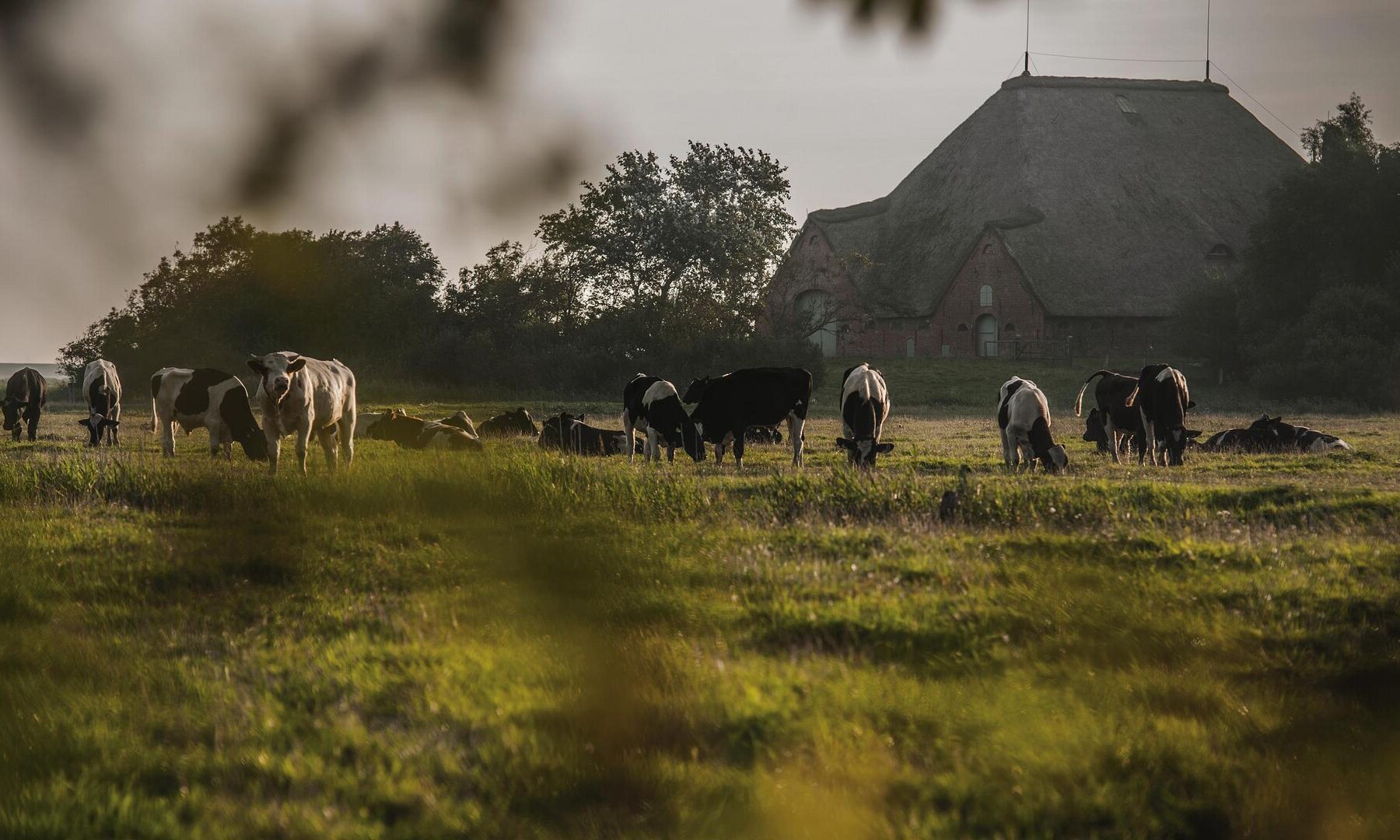
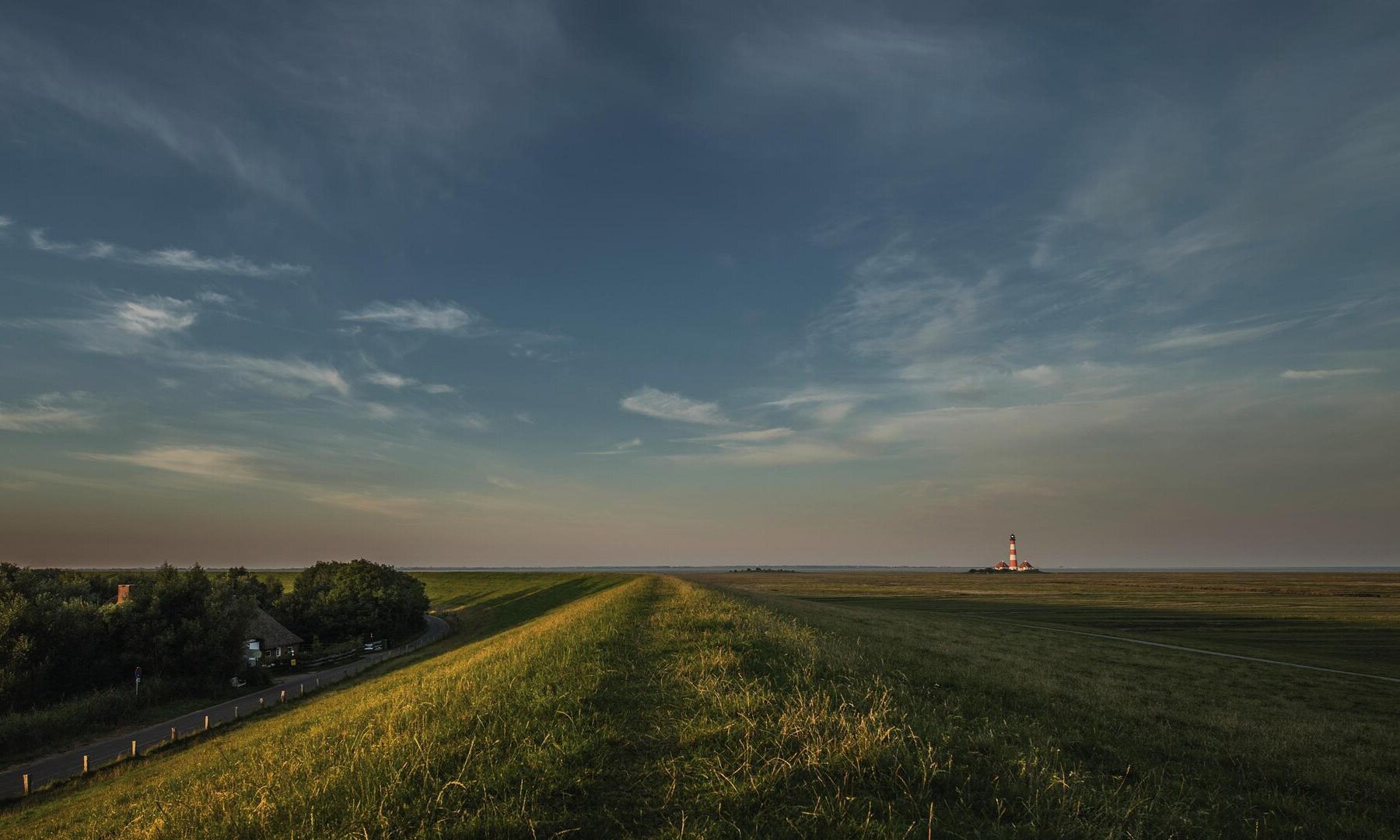
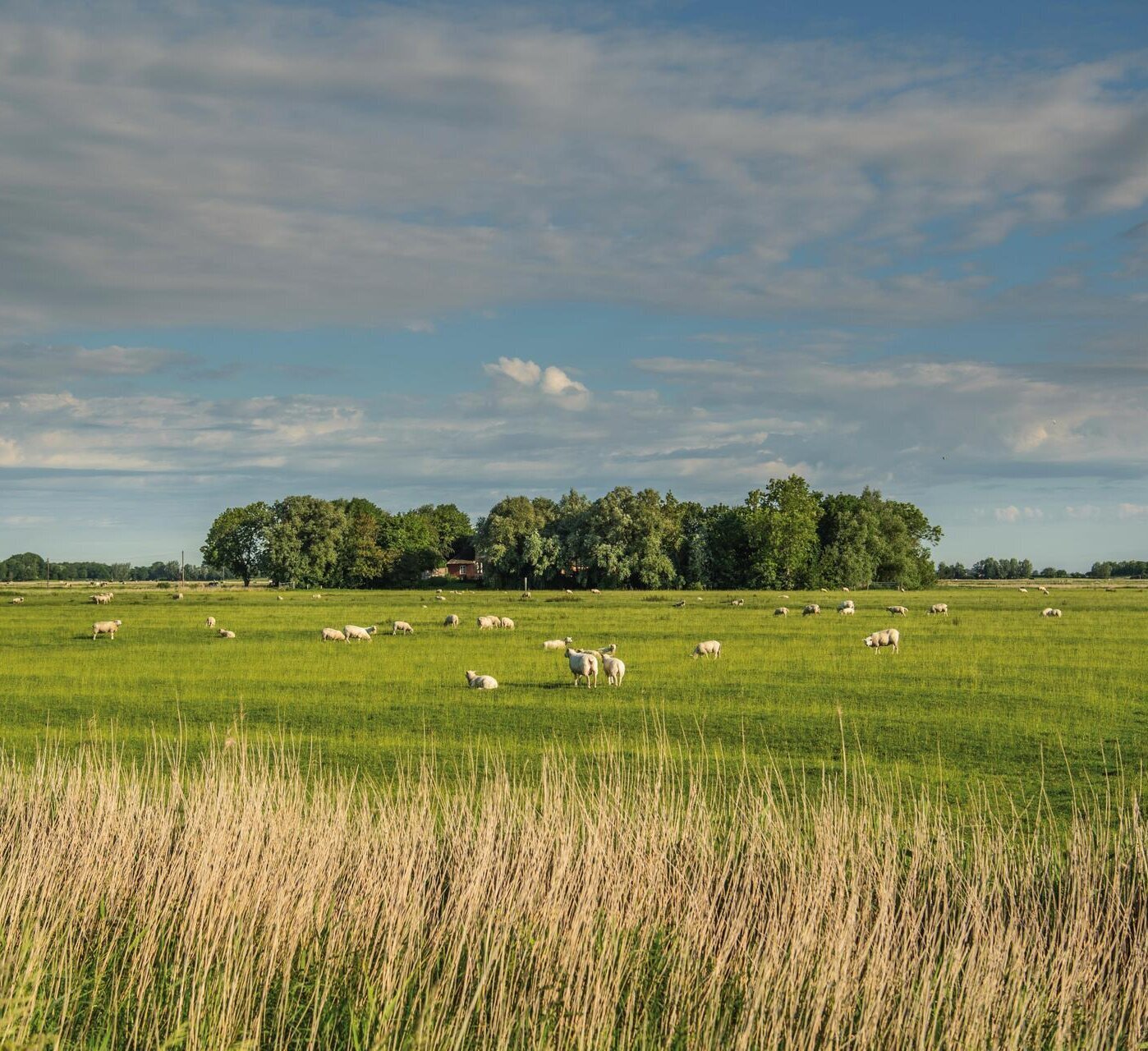
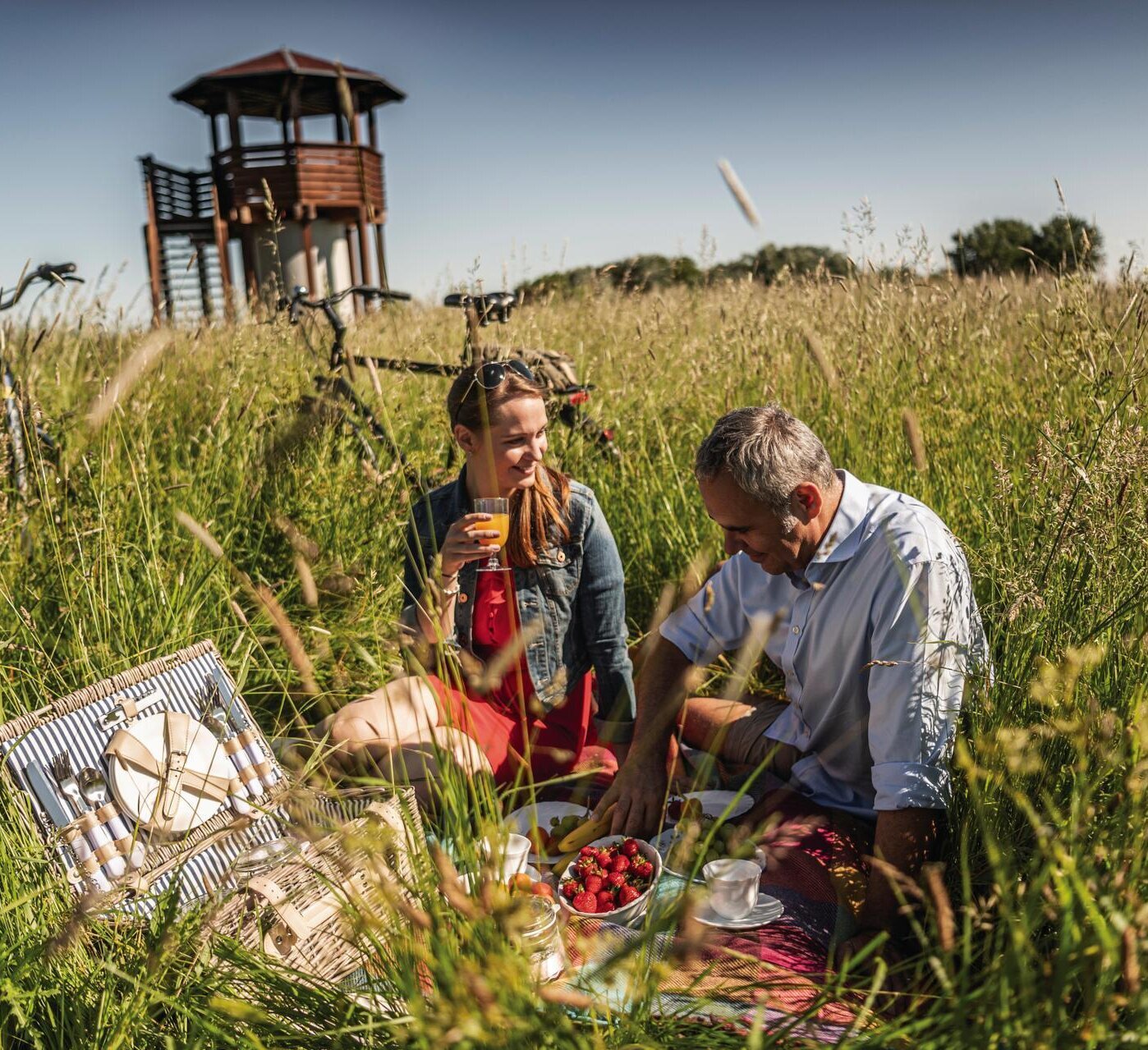
Pristine salt marshes along the coastline, agricultural pastures, and green meadows inland, sheep grazing on the dikes, and a constant salty breeze blowing in your face —the Eiderstedt Peninsula offers you wonderful opportunities for relaxation in unspoiled nature, for example in the Katinger Watt.
Do you know the difference between “Kögen,” “Warften,” and “Fennen”? And do you even know what “Stöpen” and “Grüppen” are? No?! Then this way.
Landscape Features of Eiderstedt
© Oliver Franke
Discover the Katinger Watt
© Oliver Franke
Interesting Facts About the Nature of Eiderstedt
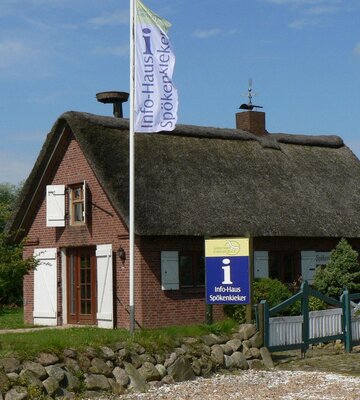
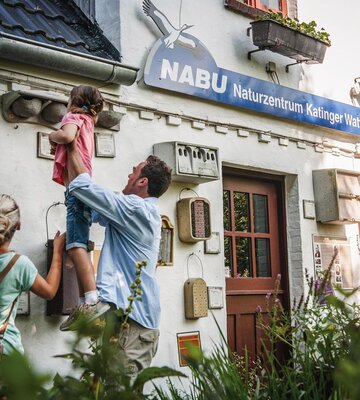
Nature Information Centers
At the nature information centers in Eiderstedt, you can learn everything there is to know about the local flora and fauna, the Wadden Sea, and Eiderstedt’s natural environment.